Decide which furniture belongs together
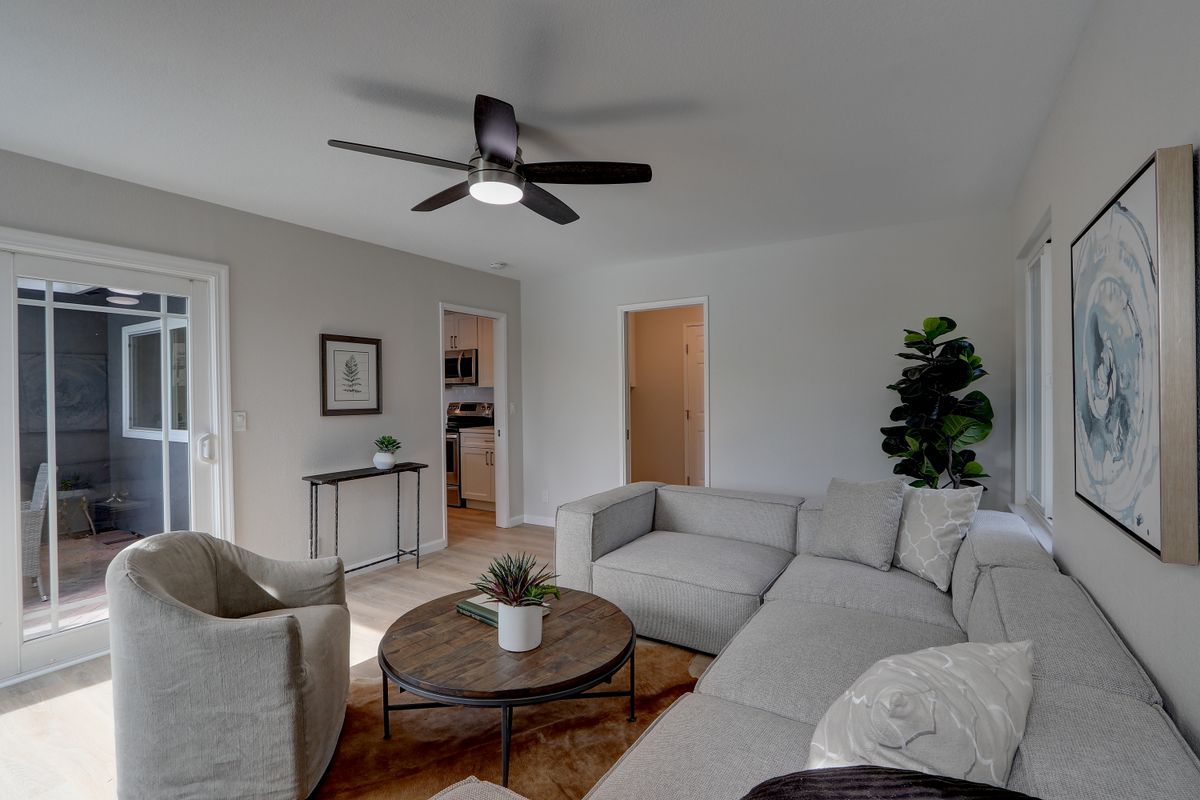
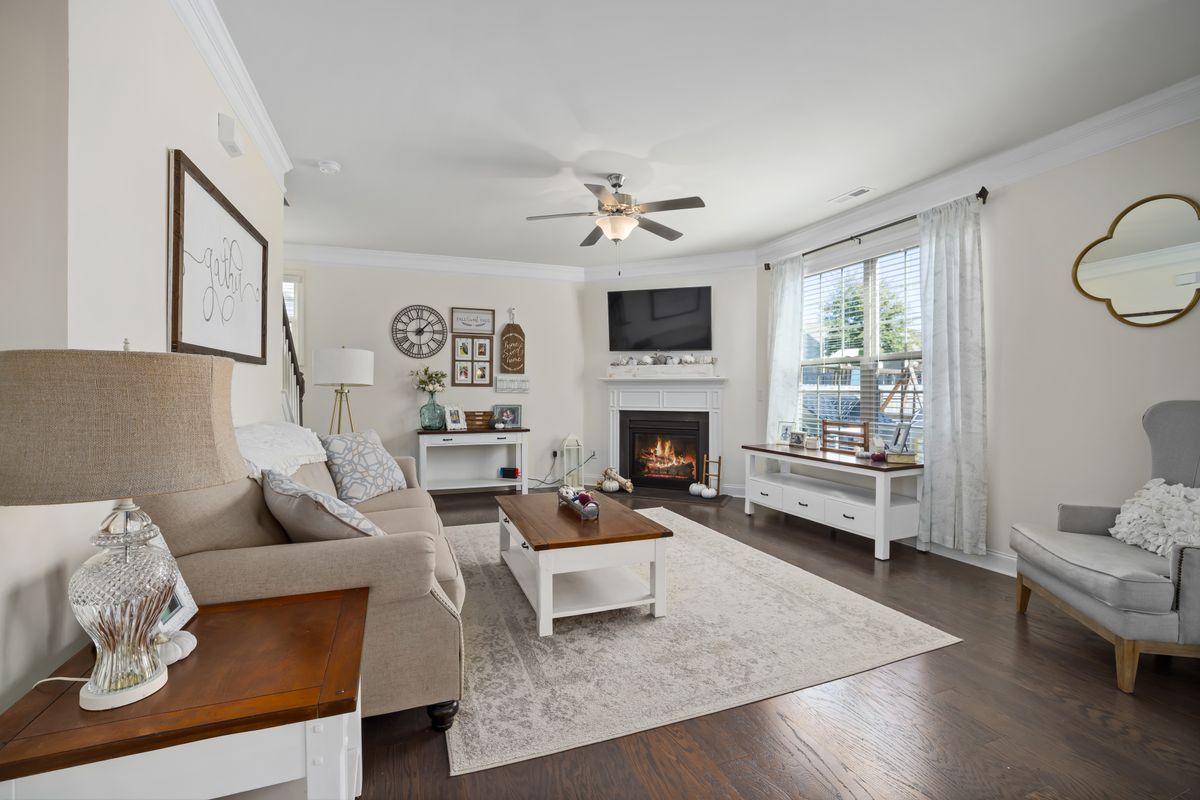
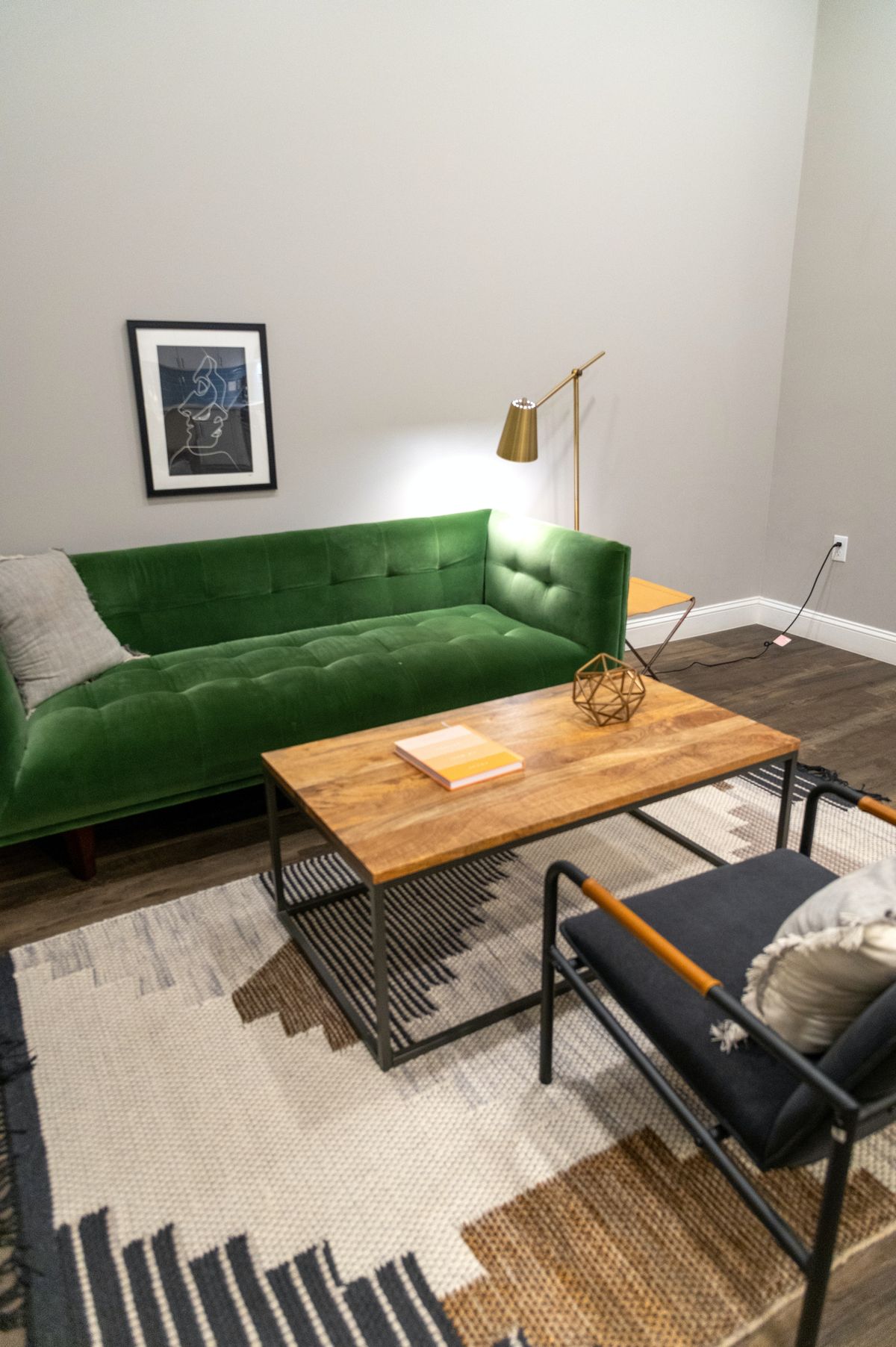
Notice whether the room revolves around one sofa or includes armchairs as well. A rug can visually connect those pieces when its edges describe a shared area. It does not need to fill the whole room; in an open-plan space, its boundary can help distinguish sitting from dining.
Decide whether the front legs of the seats will rest on it or whether the furniture will sit entirely within it. Either approach can work when the supports are stable and the placement looks deliberate. Avoid leaving a chair tilted because only one leg lands on a thick rug edge.
Rehearse the outline on the floor
Mark the perimeter with paper or tape suitable for your flooring, testing the tape discreetly first. If you prefer not to stick anything down, use string during the trial and remove it afterwards to prevent trips. Sit, stand and move the table as you normally would.
Look from several directions. A size that seems generous from above may look narrow beside a long sofa. As a comparison exercise, outline two neighbouring retail sizes and see what changes. The point is to test your room, not to adopt a standard measurement without looking at how it fits.
Check edges and walking routes
Doors should open without catching the pile or lifting a corner. Check the route to the balcony and the place where you turn while carrying a tray. An edge crossing a busy passage needs more attention than one protected beneath furniture.
Check which anti-slip underlay suits both the rug and the floor finish. Some backing materials can mark certain surfaces, so thickness alone is not enough to guide the choice. A rug that creeps or develops ripples is not made safe simply by placing a table on top.
Think about maintenance before buying
A large rug is heavier to move and may need professional cleaning. Read its care instructions before selecting a size you cannot manage. Deep pile also affects how furniture sits and how some cleaning tools travel across it.
For a modular sofa, work with the arrangement you actually use and the alternatives you repeat regularly. You do not need to accommodate every possible layout. Keep the measurements of your chosen outline and confirm that the shop lists the overall size rather than showing a photograph of another variant. Check any stated size tolerances for handmade pieces, especially when your planned clearance is already tight.