Home care
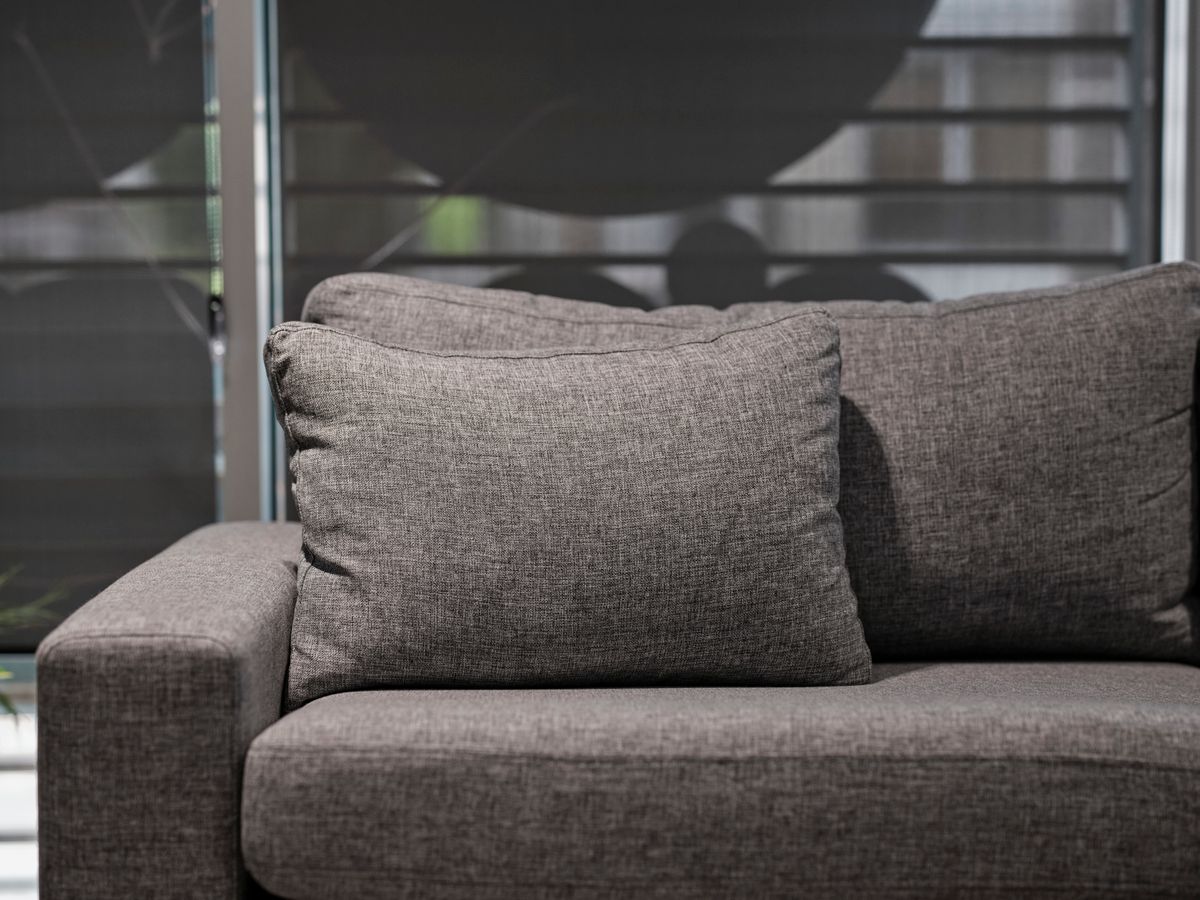
Cleaning a fabric sofa by its care label
A zip does not make a cushion cover machine washable. Identify the upholstery and its care instructions before reaching for water or stain remover.
Cleaning and maintenance with the material and its care instructions in mind.
A zip does not make a cushion cover machine washable. Identify the upholstery and its care instructions before reaching for water or stain remover.

A wooden dining table usually needs fewer products than the cupboard suggests. Identify its finish, deal with spills promptly and protect the places where everyday use leaves marks.
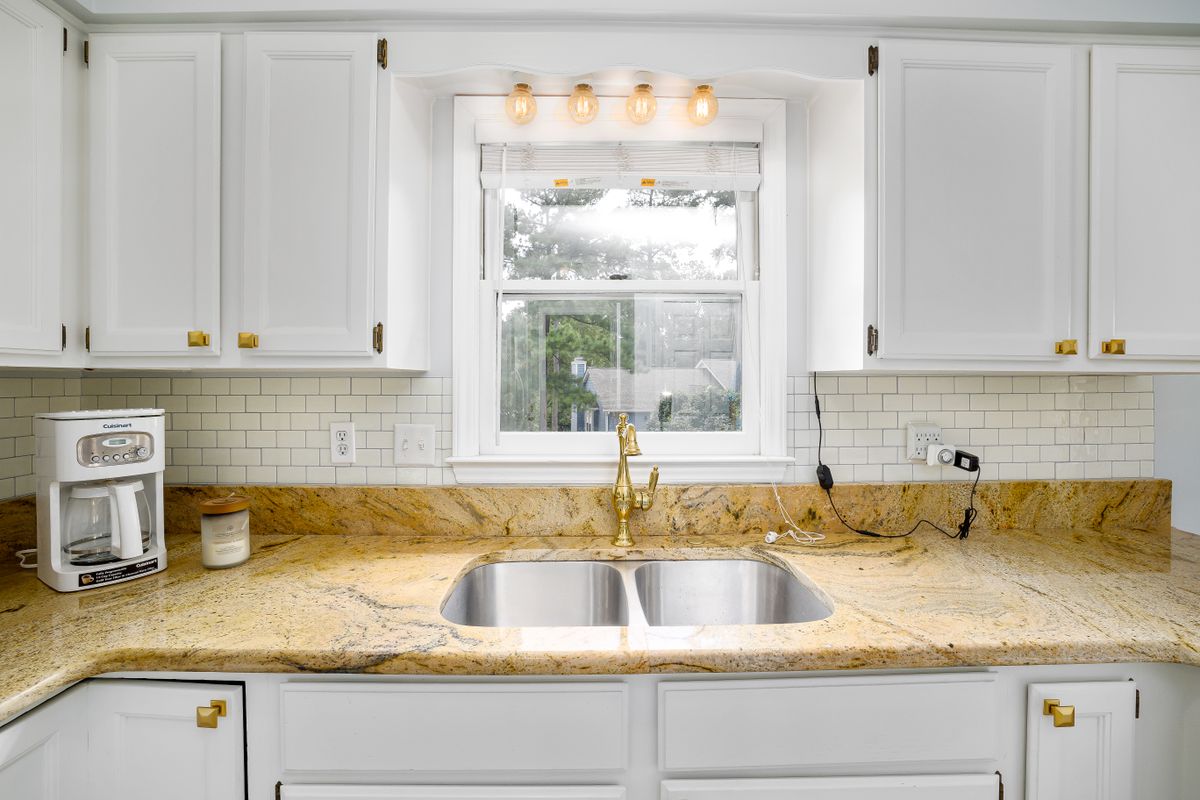
Marble and limestone do not need a stronger cleaner to look good. They need a compatible one: an acid can leave a dull mark that rinsing cannot remove.
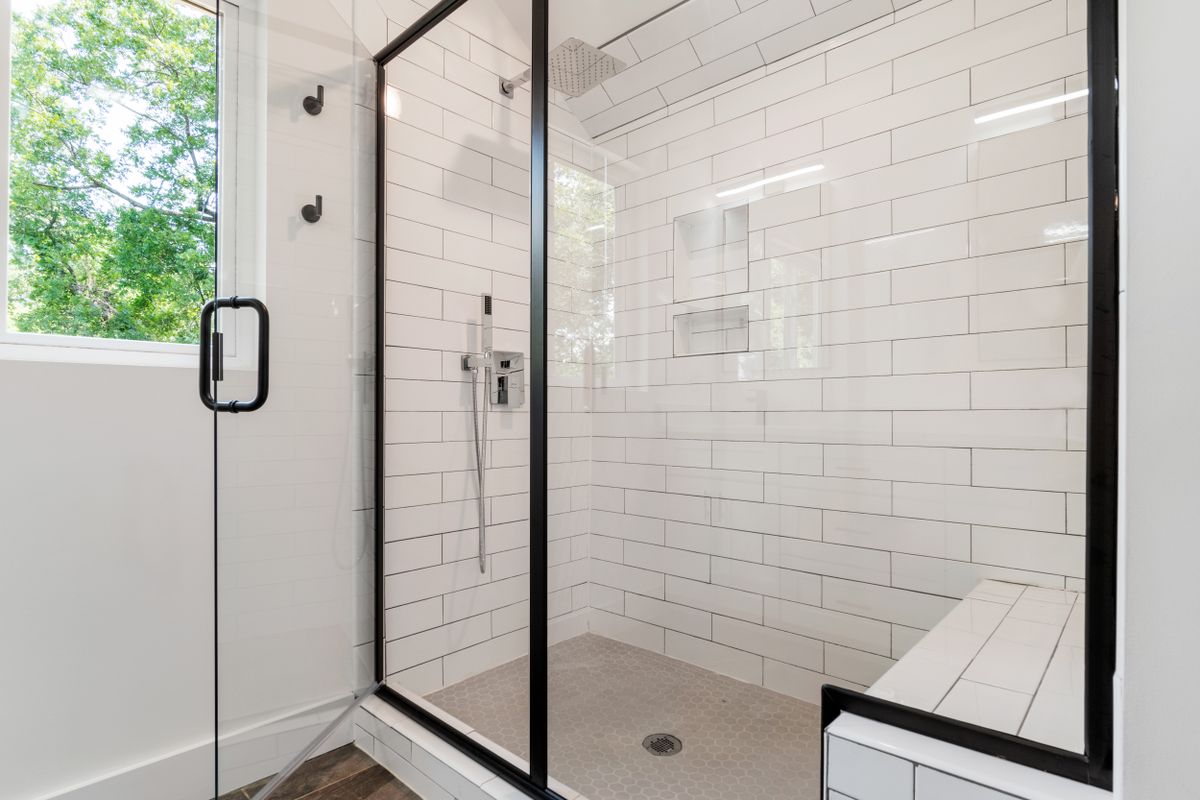
Drops that dry on a shower screen can leave deposits behind. Removing some water after showering makes later cleaning easier, but the glass treatment and surrounding materials still matter.
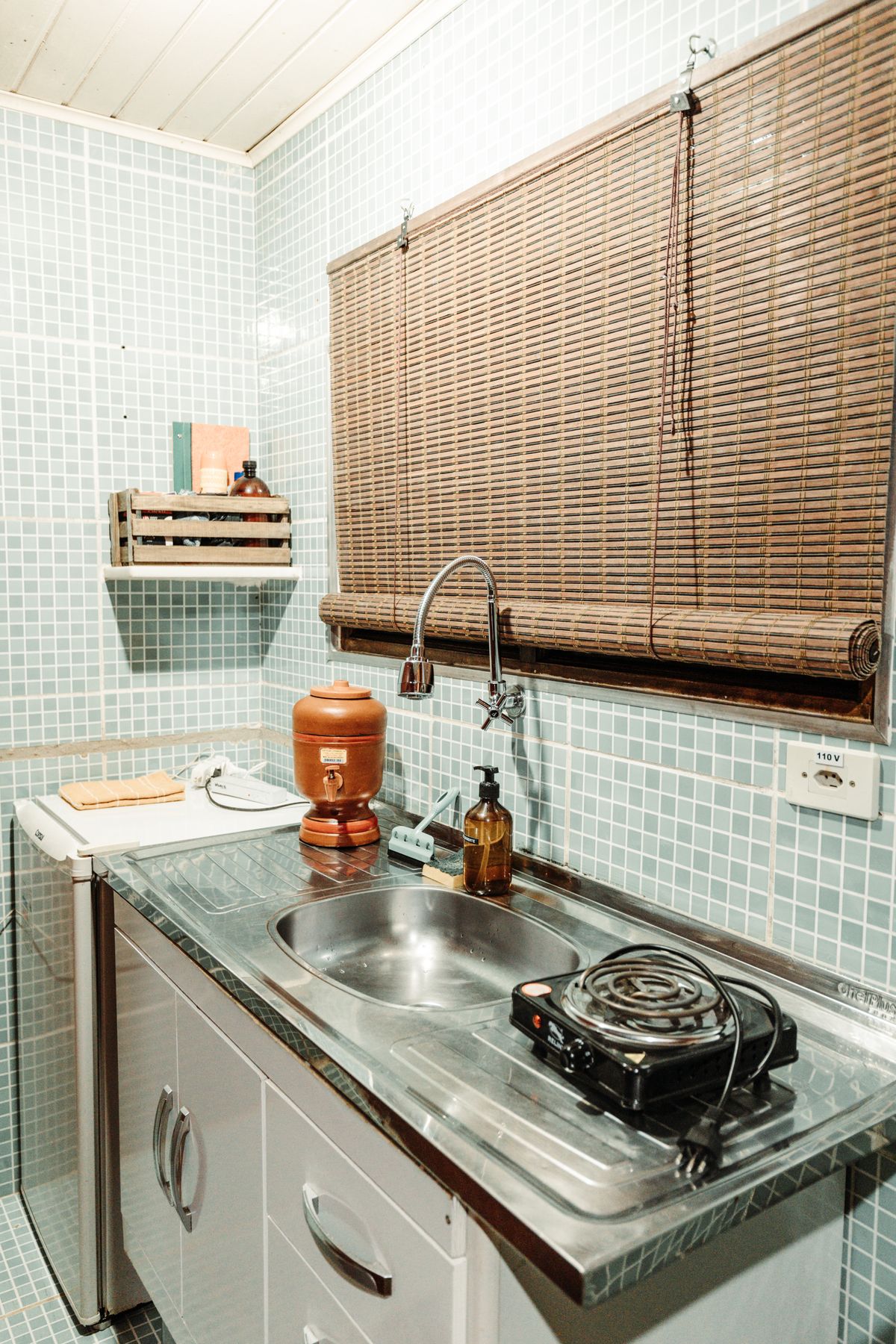
Fingerprints show quickly on stainless steel, but an aggressive scourer can leave a much longer-lasting mark. Identify the finish first and start with a genuinely clean cloth.
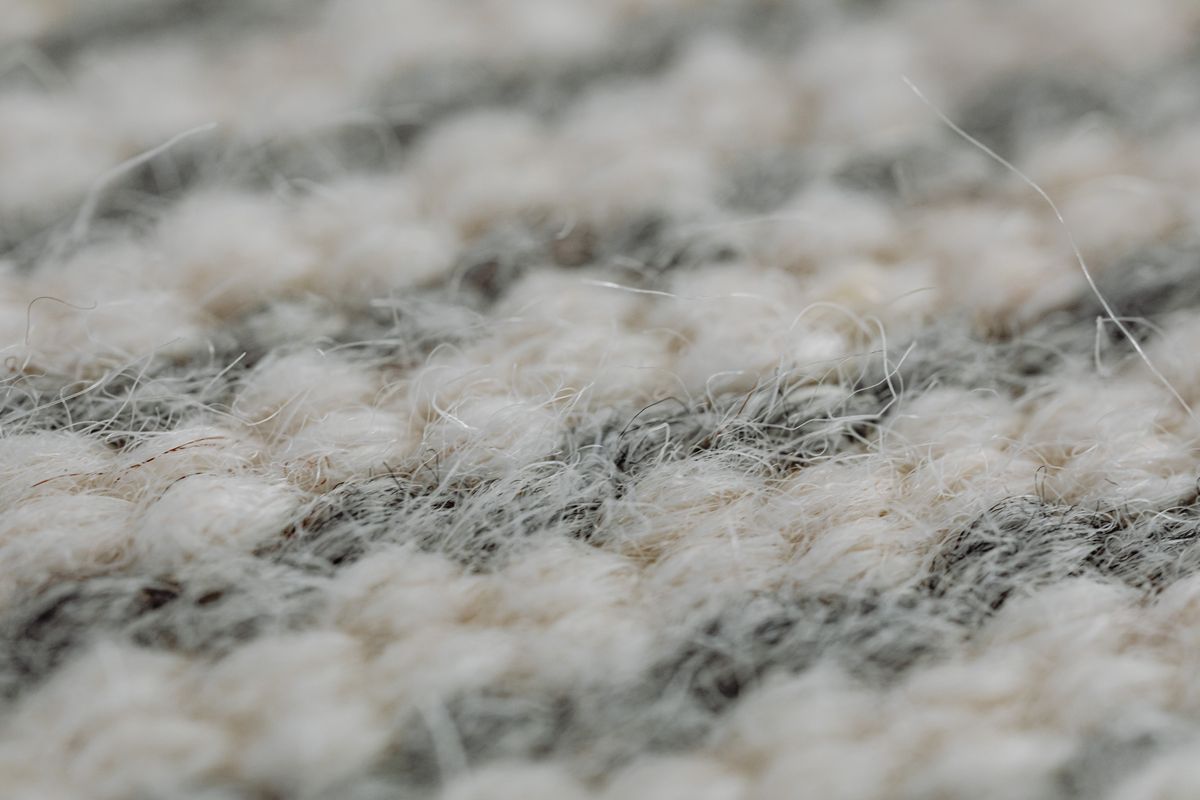
Wool benefits from having loose dirt removed before it settles deep into the pile. Careful vacuuming and a calm response to spills do more than vigorous scrubbing.
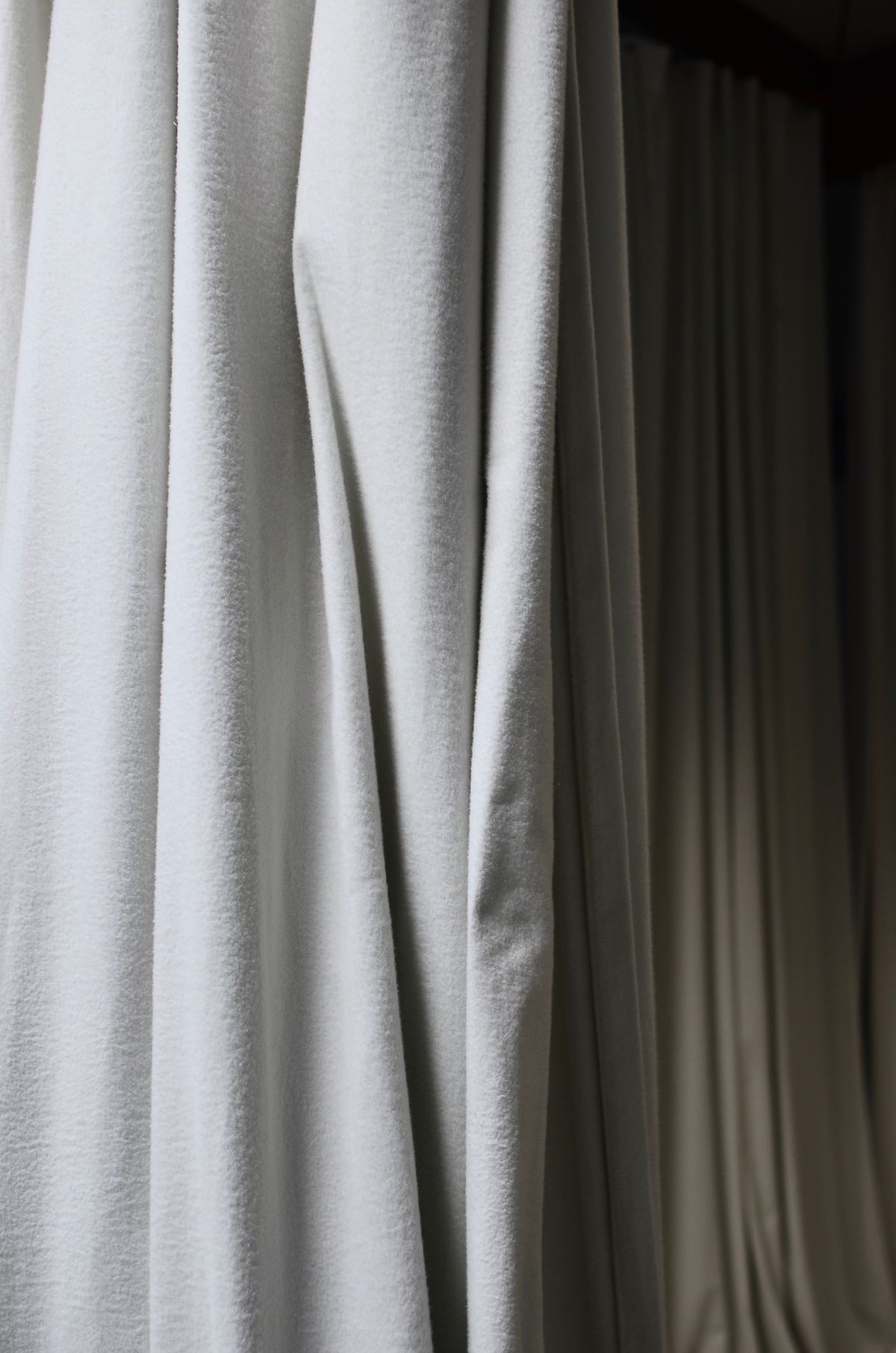
Taking curtains down is enough work without discovering afterwards that the chosen wash is unsuitable. Plan the whole process before removing the first hook.

Cleaning a mattress is not a matter of wetting it until it looks new. Protection, prompt attention to spills and avoiding trapped moisture are more useful starting points.
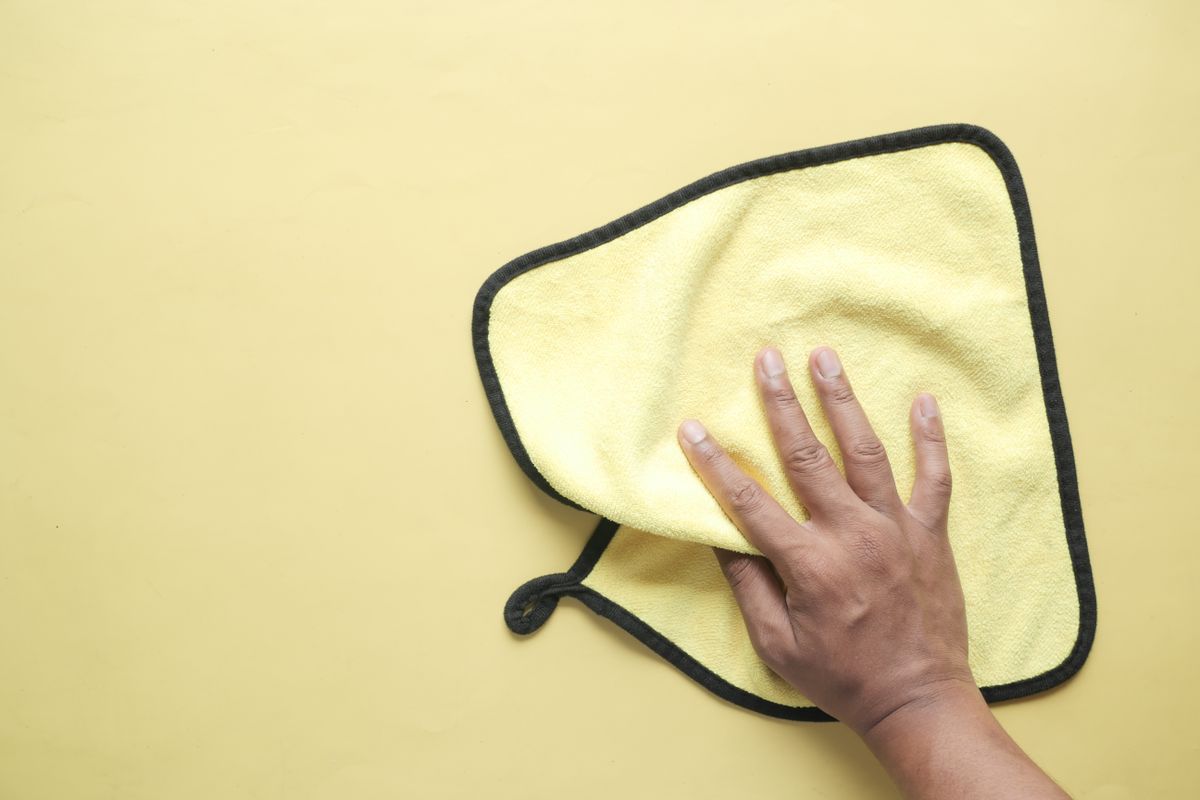
A cloth that spreads grease instead of lifting it may need better washing or a different job. Separating uses and drying cloths properly keeps the system manageable.
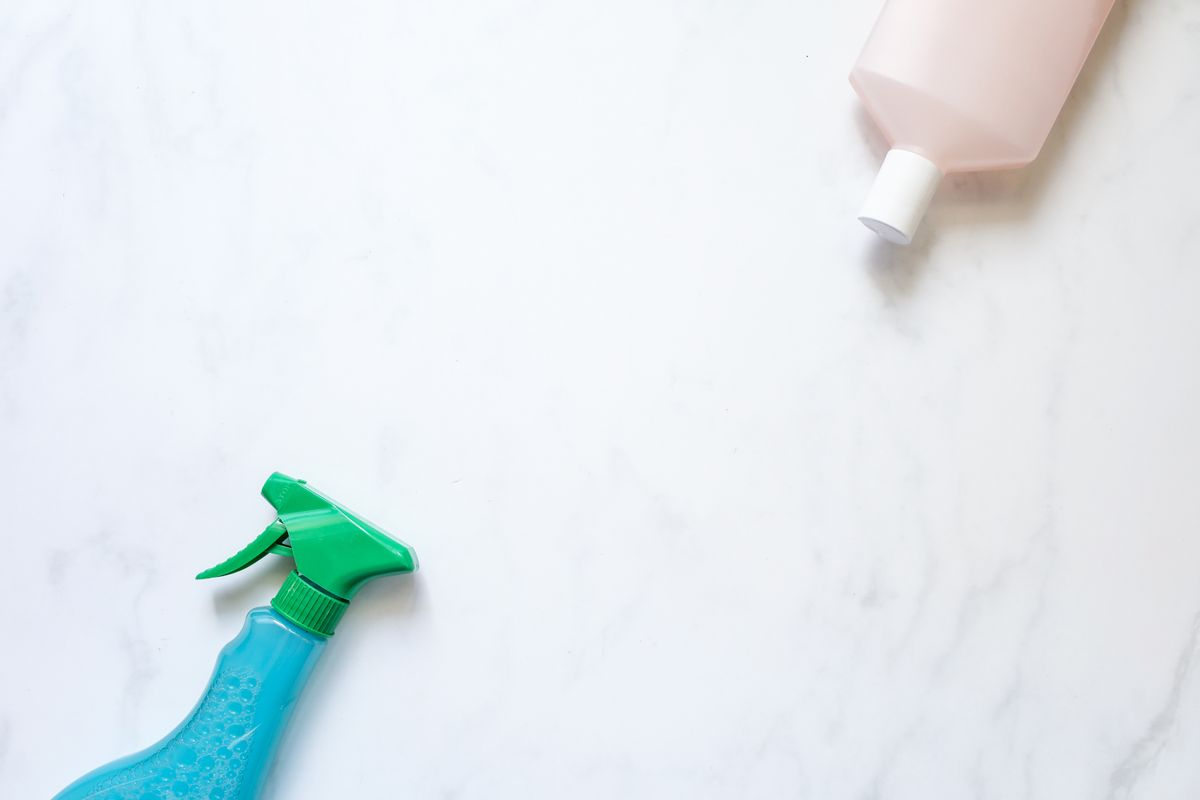
Combining two cleaners does not create a better one. It can produce dangerous fumes or damage a surface, even when both bottles are sold for household use.