Decorating
Arrange a living room around the way you move
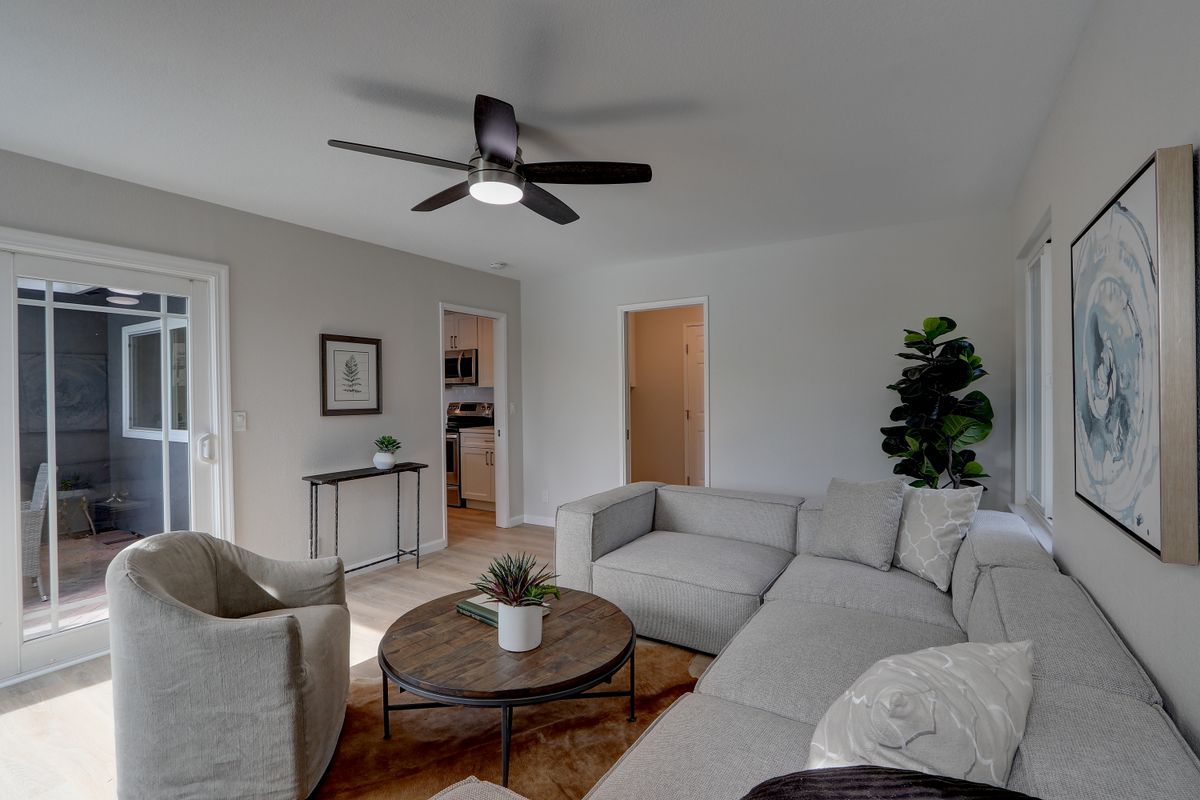
Before shopping for another sofa, notice the routes through your room. A comfortable layout starts with fewer things to walk around.
Hogarissimo / Decorating
Thoughtful ideas to help you make practical decisions and use what you have.
Decorating
Before shopping for another sofa, notice the routes through your room. A comfortable layout starts with fewer things to walk around.
Decorating
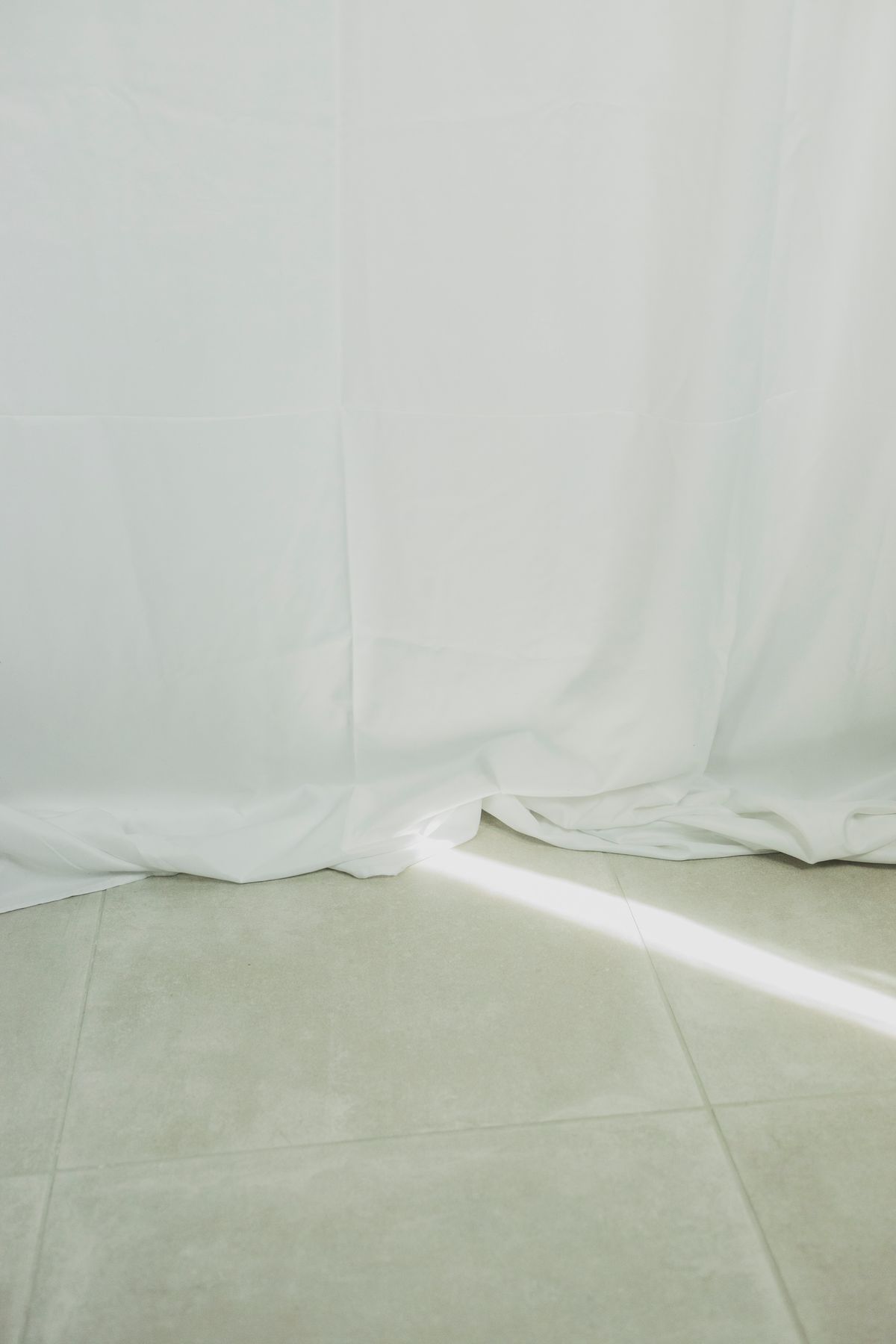
Curtain length changes the appearance of a window, but it also affects cleaning and everyday access. Decide what needs to happen beneath the glass before choosing how the fabric should finish.
Decorating
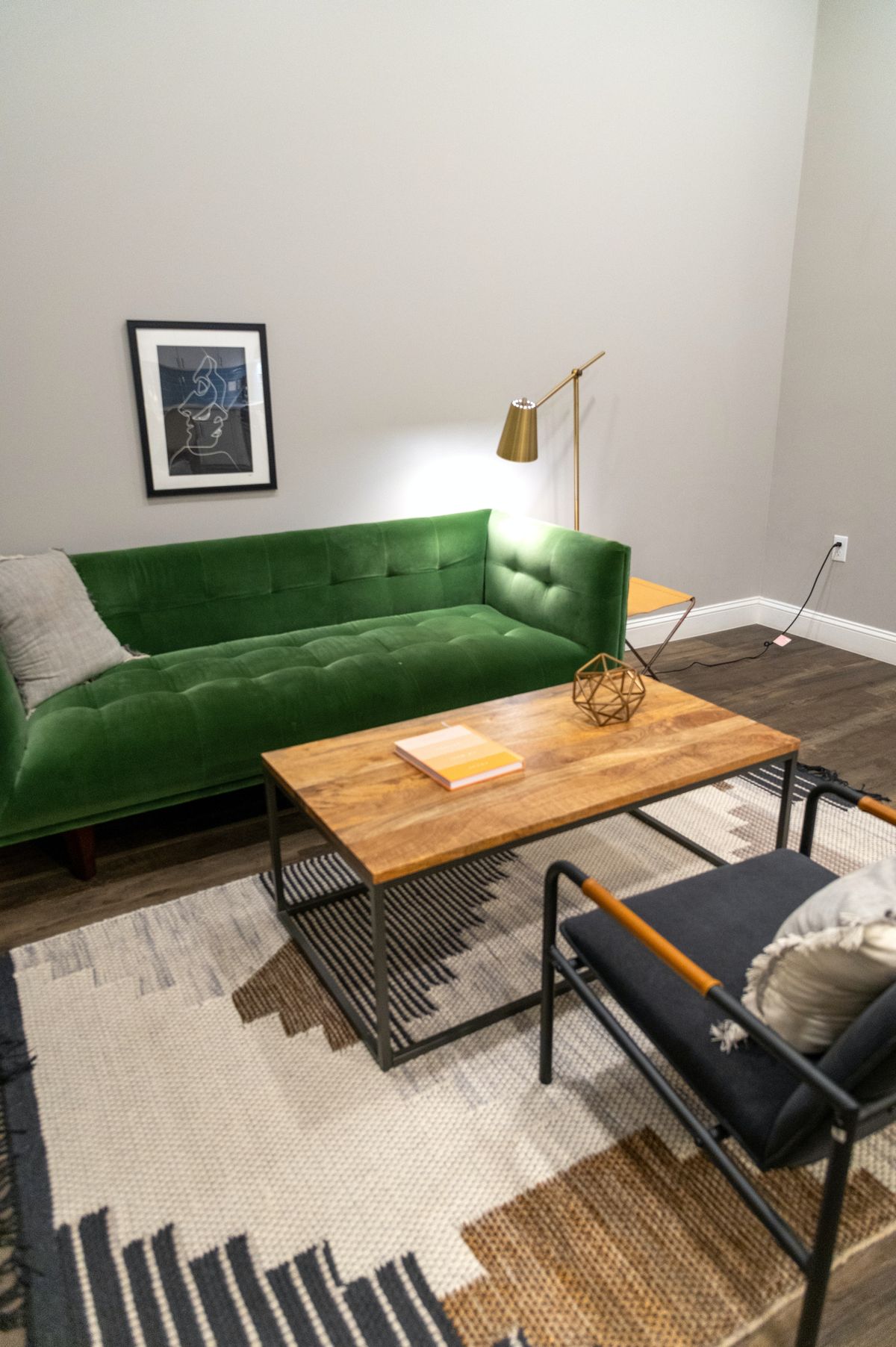
A small rug can look like an island between the sofa and coffee table. An oversized one may interfere with doors or cover flooring you enjoy. Start by mapping the seating area rather than choosing a pattern.
Decorating
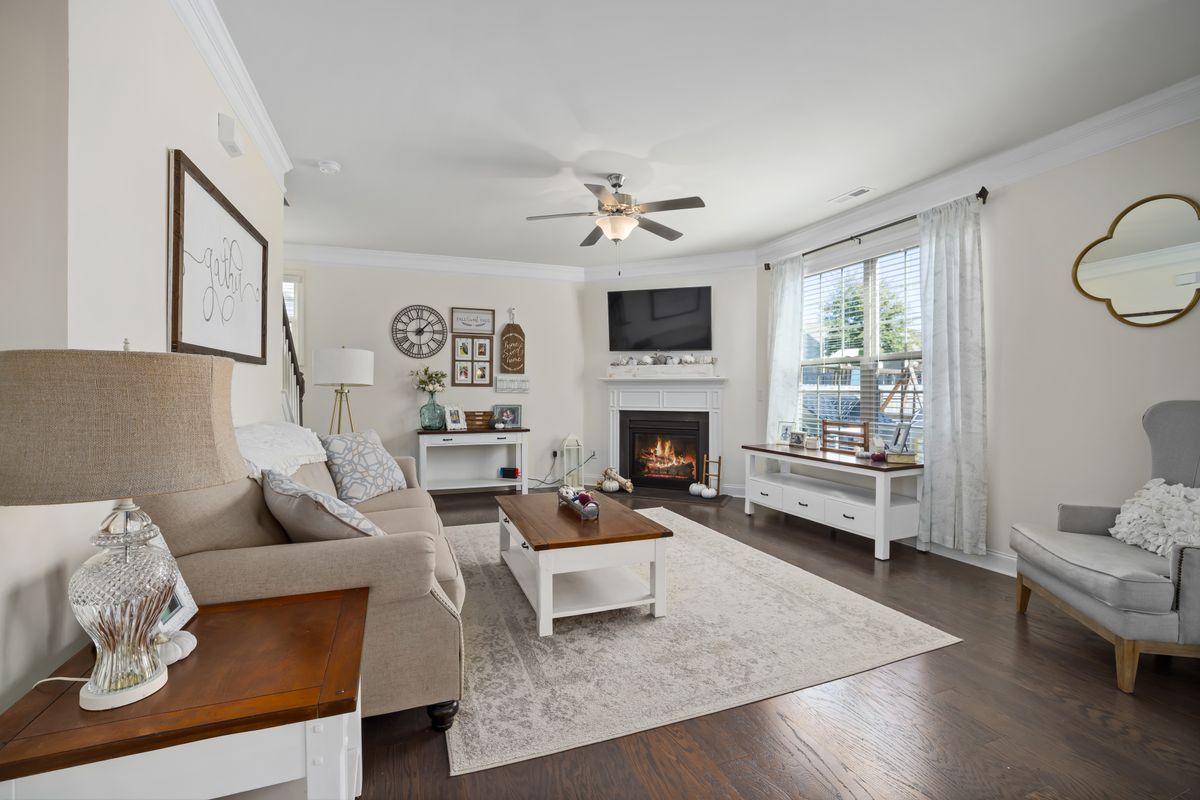
Warm whites, linen and sandy colours can create a calm room without dissolving into one indistinct shade. The difference usually comes from contrast, light and texture rather than adding more things.
Decorating
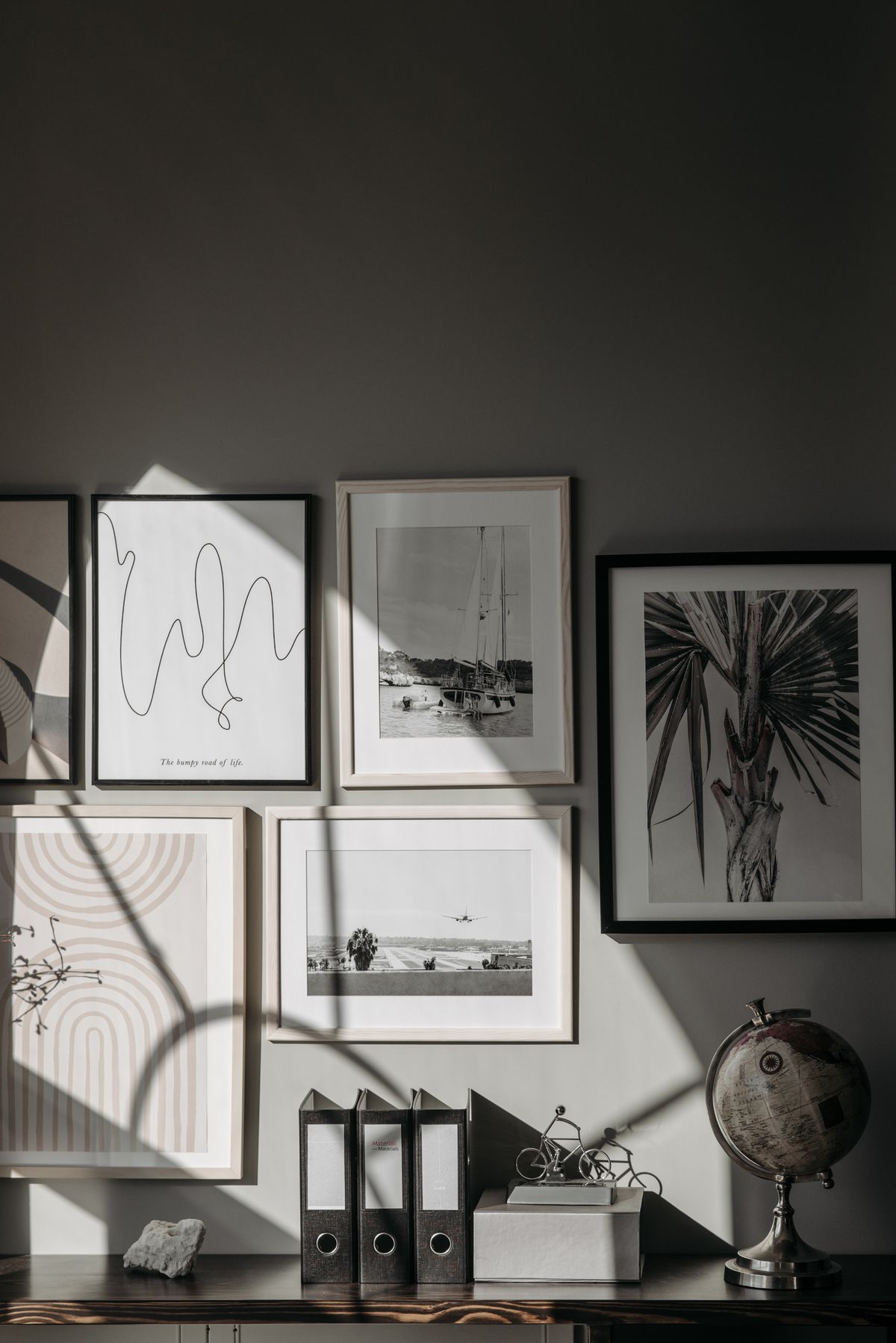
A gallery wall can grow gradually without looking accidental. Before making holes, test how frames, furniture and empty space relate using pieces you can easily move.
Decorating
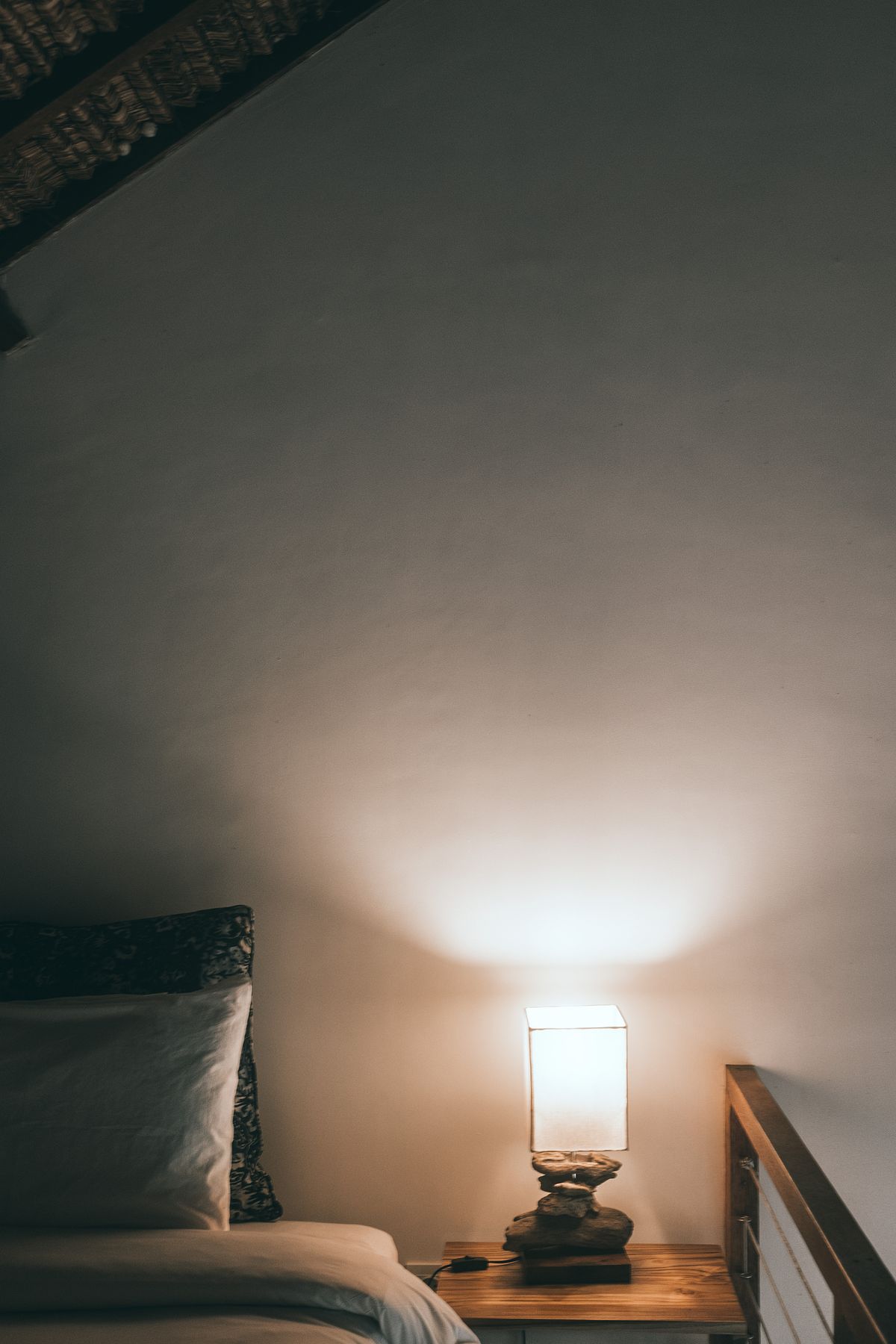
Bedroom lighting needs to support what you are doing without becoming intrusive when you stop. Reading, getting up and sharing a room create different needs that a single ceiling light rarely handles equally well.
Decorating
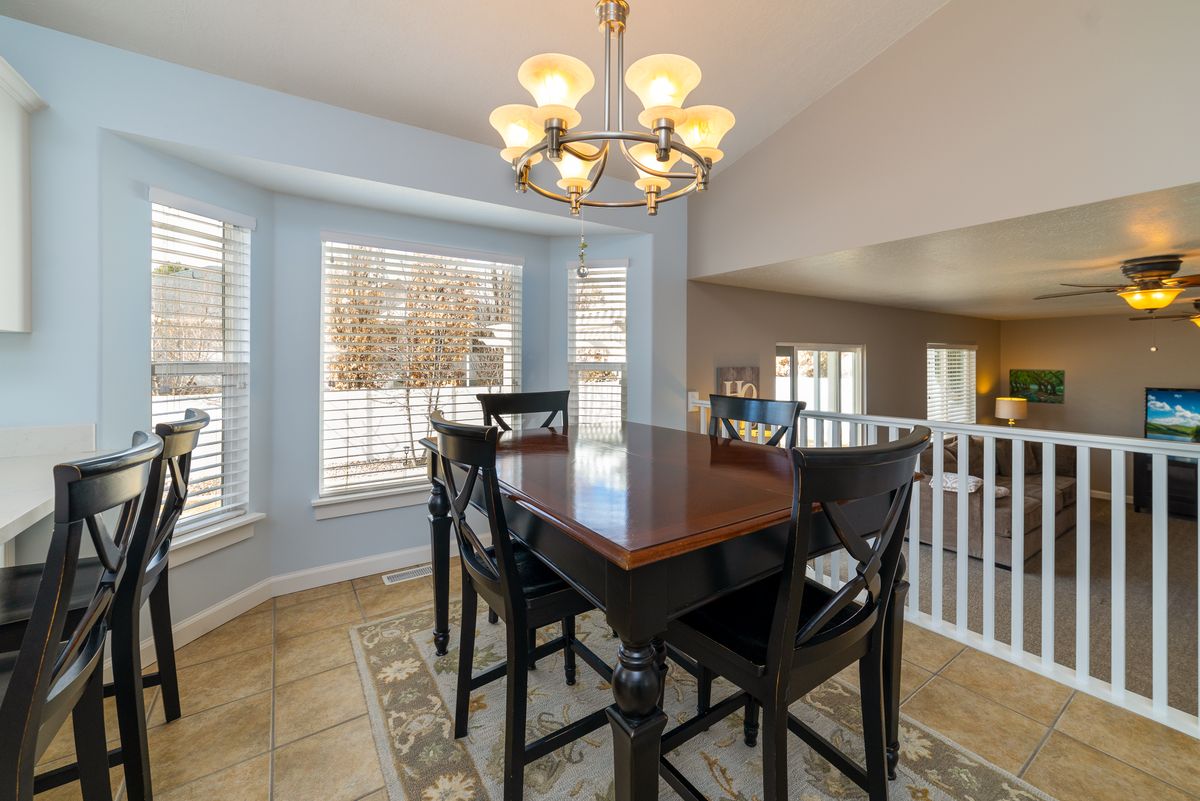
A room can contain several woods without looking like an accidental collection. The aim is not to find almost identical finishes, but to understand what dominates and give the differences some space.
Decorating
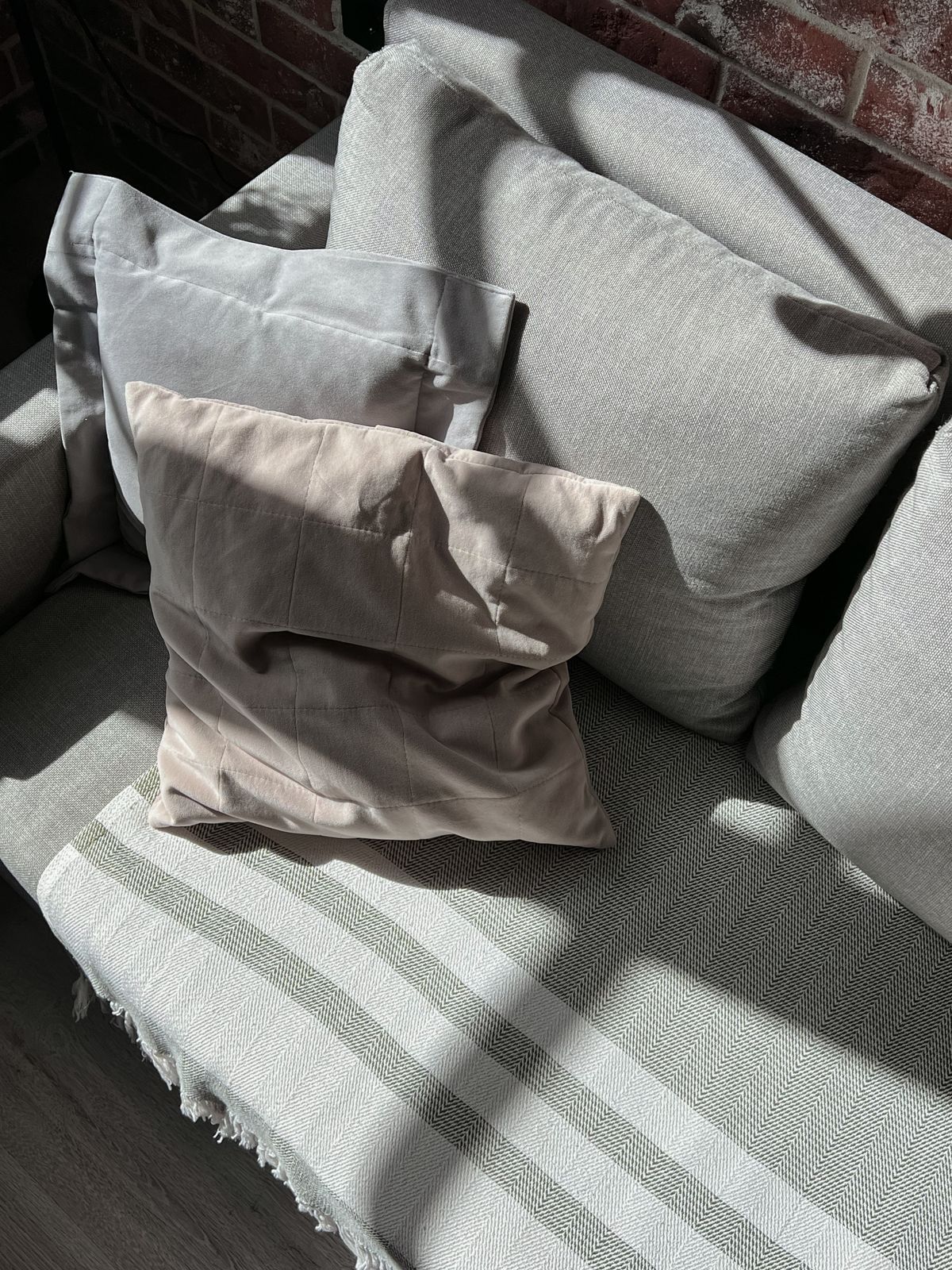
Cushions should help you sit comfortably rather than make you clear the sofa every time. Choose their number, shape and fabric around the seating you use, then work on colour.
Decorating
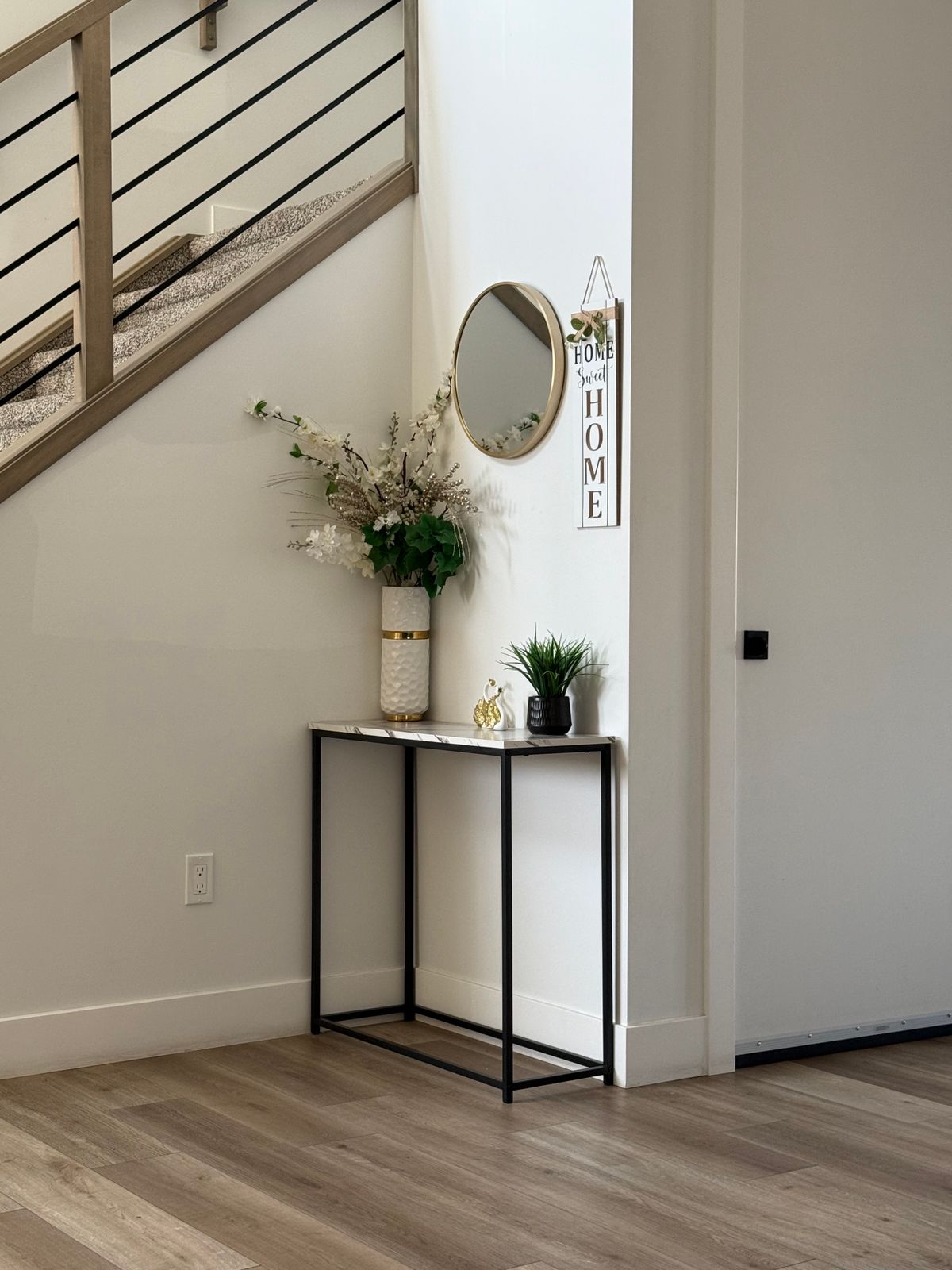
A welcoming entrance does not need a complete hallway furniture set. It needs somewhere to arrive, put down essentials and move inside without negotiating an oversized console.
Decorating
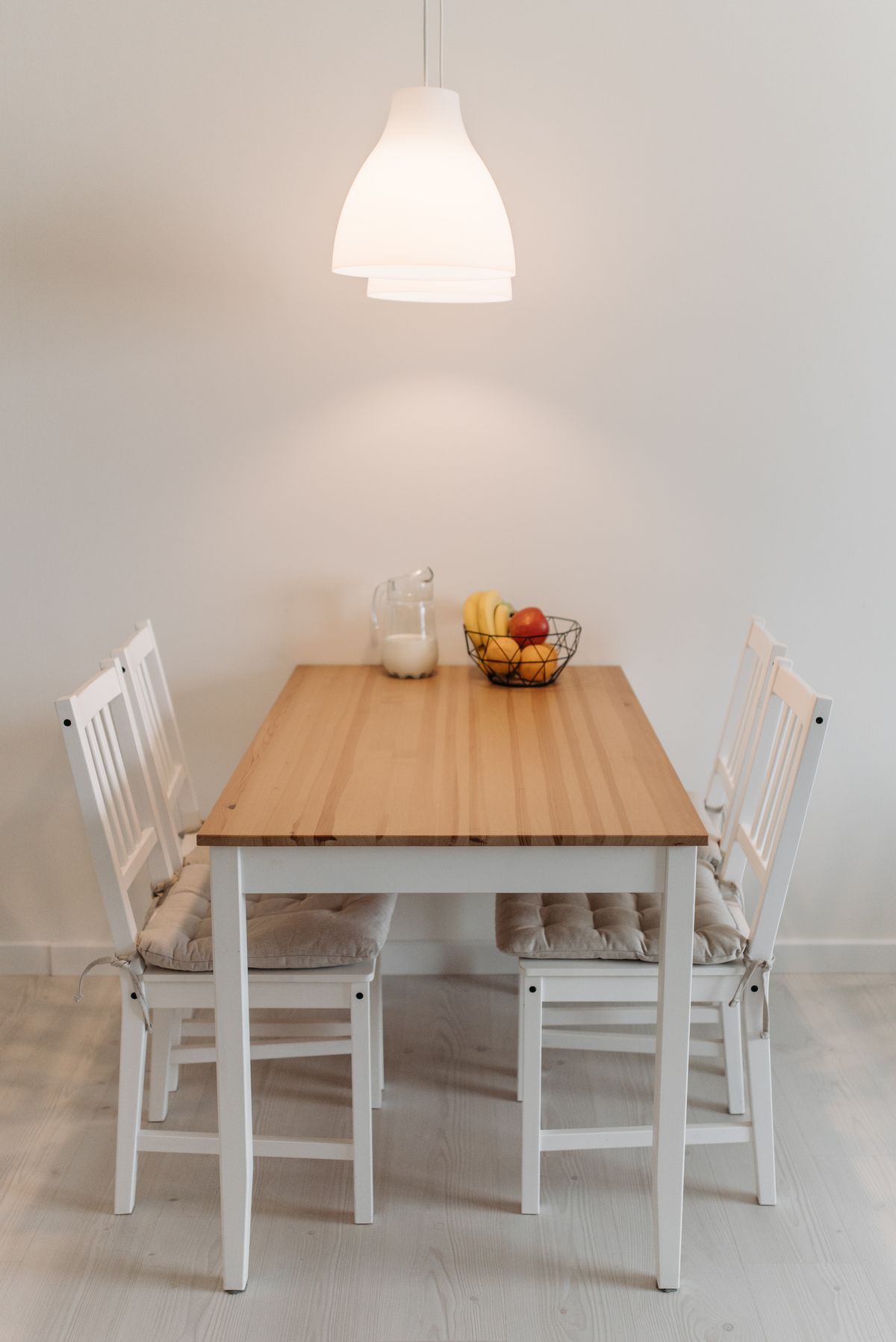
A pendant above the table can give a dining area a clear centre. Its position should respond to the table, the people sitting around it and how you use the room, rather than simply following the ceiling connection.

Decorating
A colour that looks lovely on a card can change substantially across a whole wall. A useful test means watching it live with your lighting and furniture rather than studying it for five minutes in a shop.
Decorating
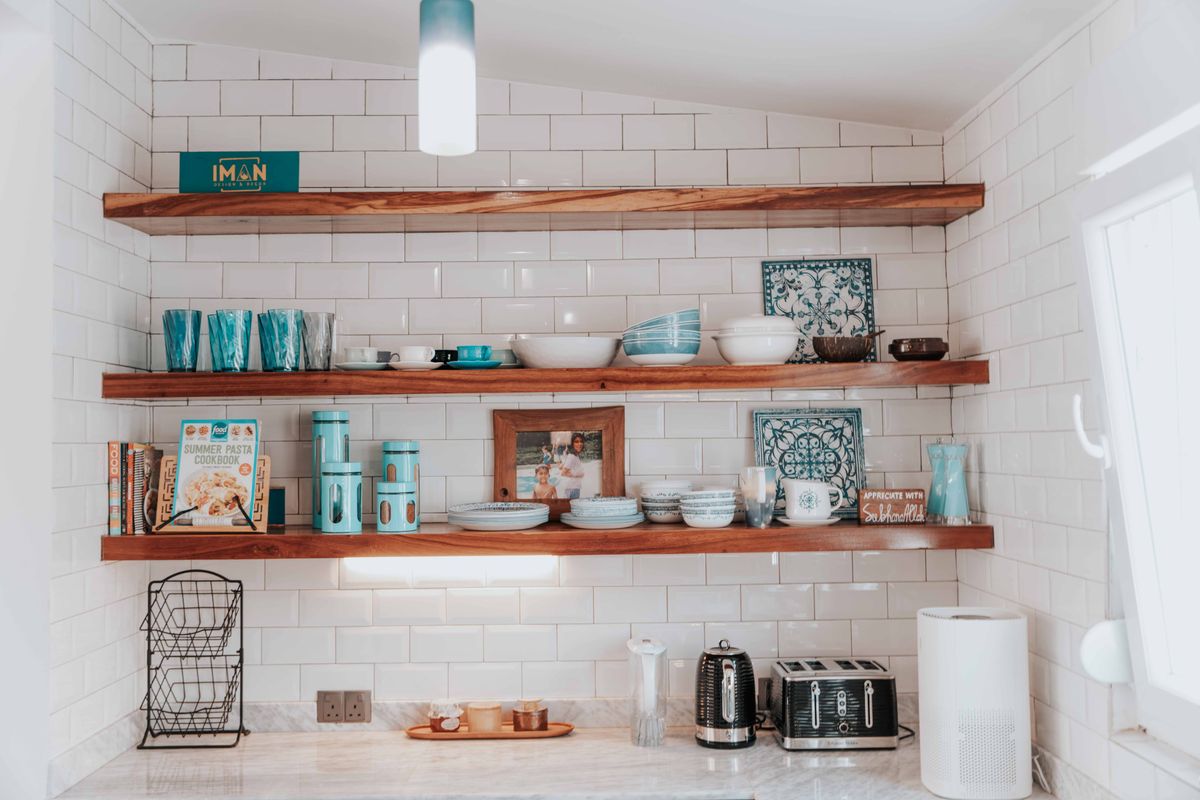
Open shelving can look attractive while still earning its place as storage. Trouble starts when every use dismantles an arrangement or everyday belongings are not allowed to remain visible.
Decorating
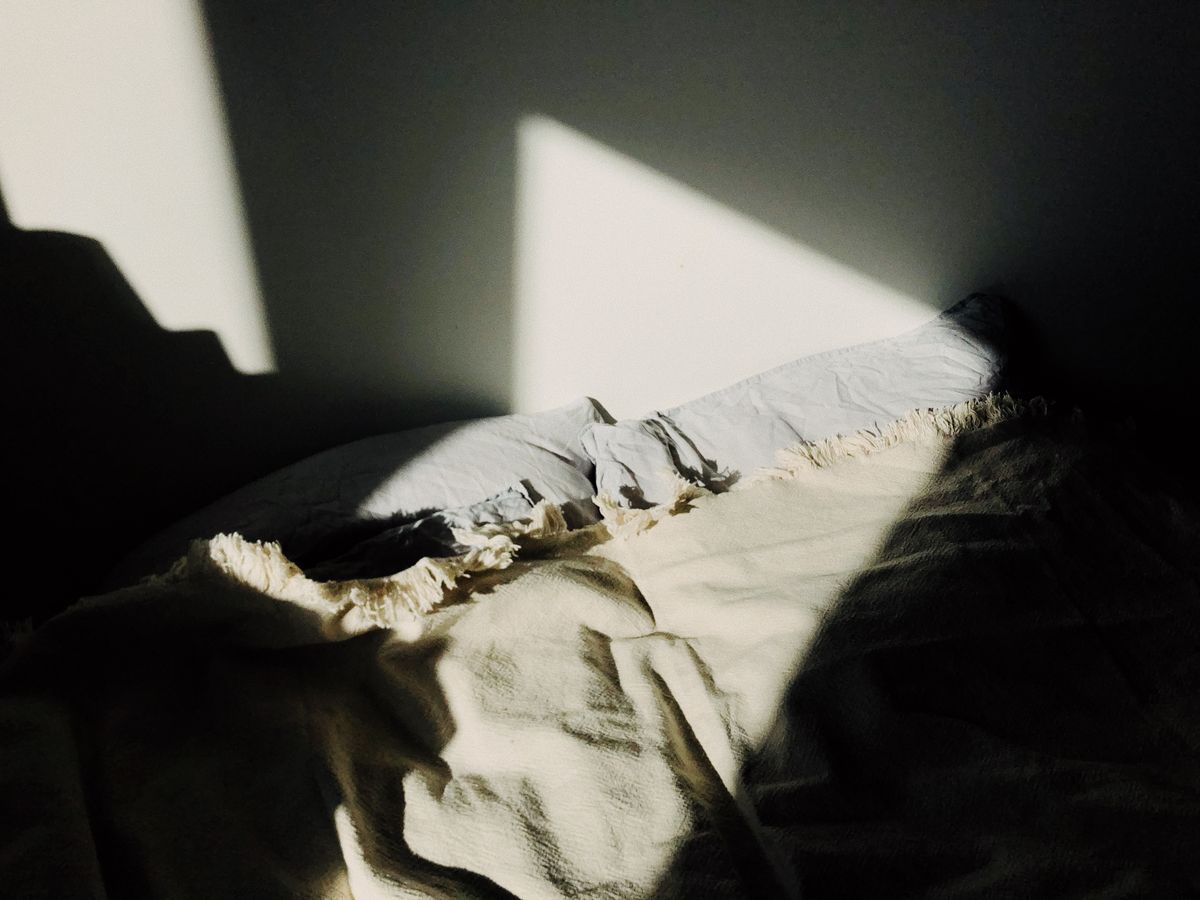
Texture can give a bedroom depth even with very few colours. For a pleasant result, consider what you see, what touches your skin and what you will need to wash.
Decorating
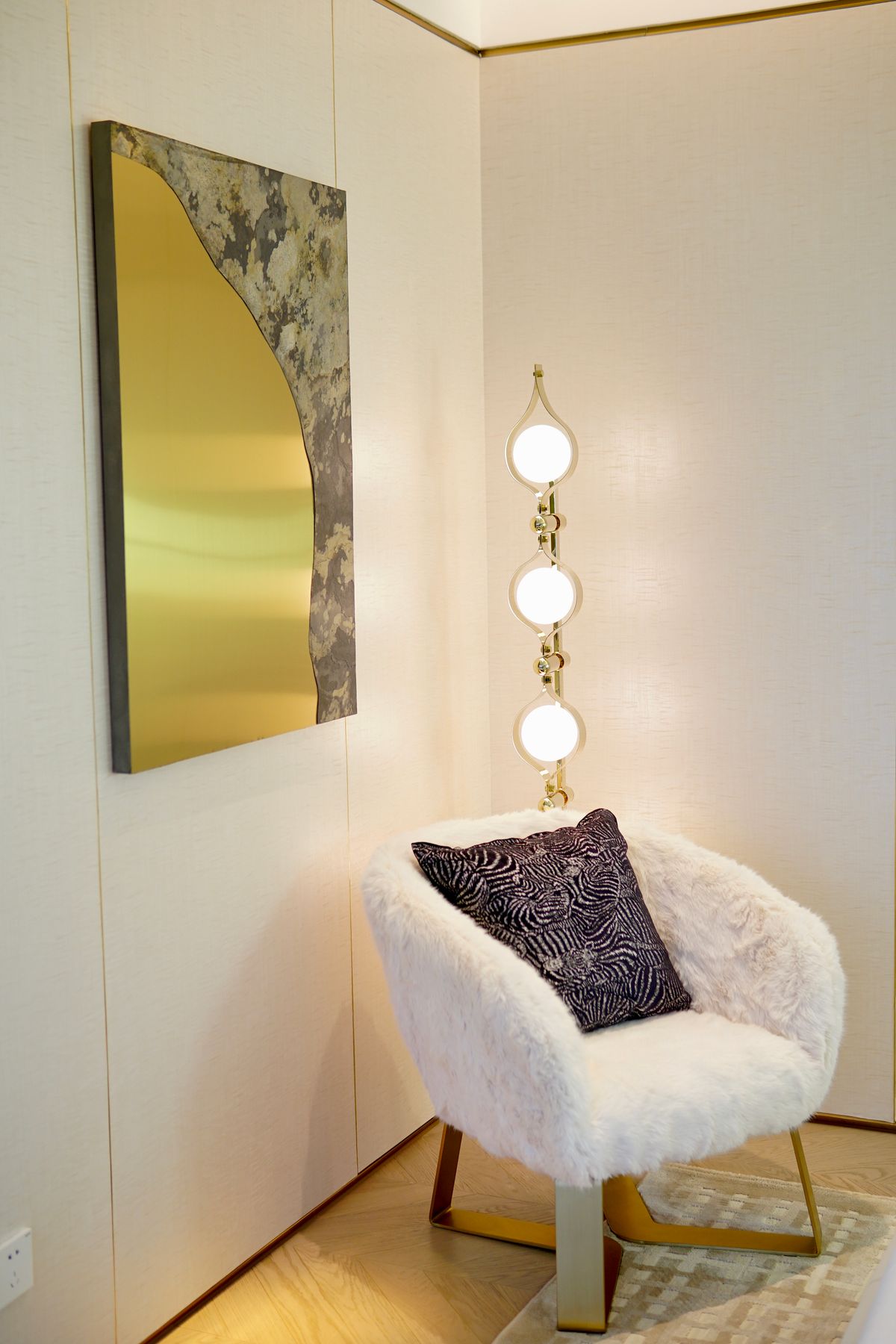
An empty corner is not automatically a problem to solve. Before filling it, find out whether the space allows a door to open, provides window access or simply gives the eye a rest.
Decorating
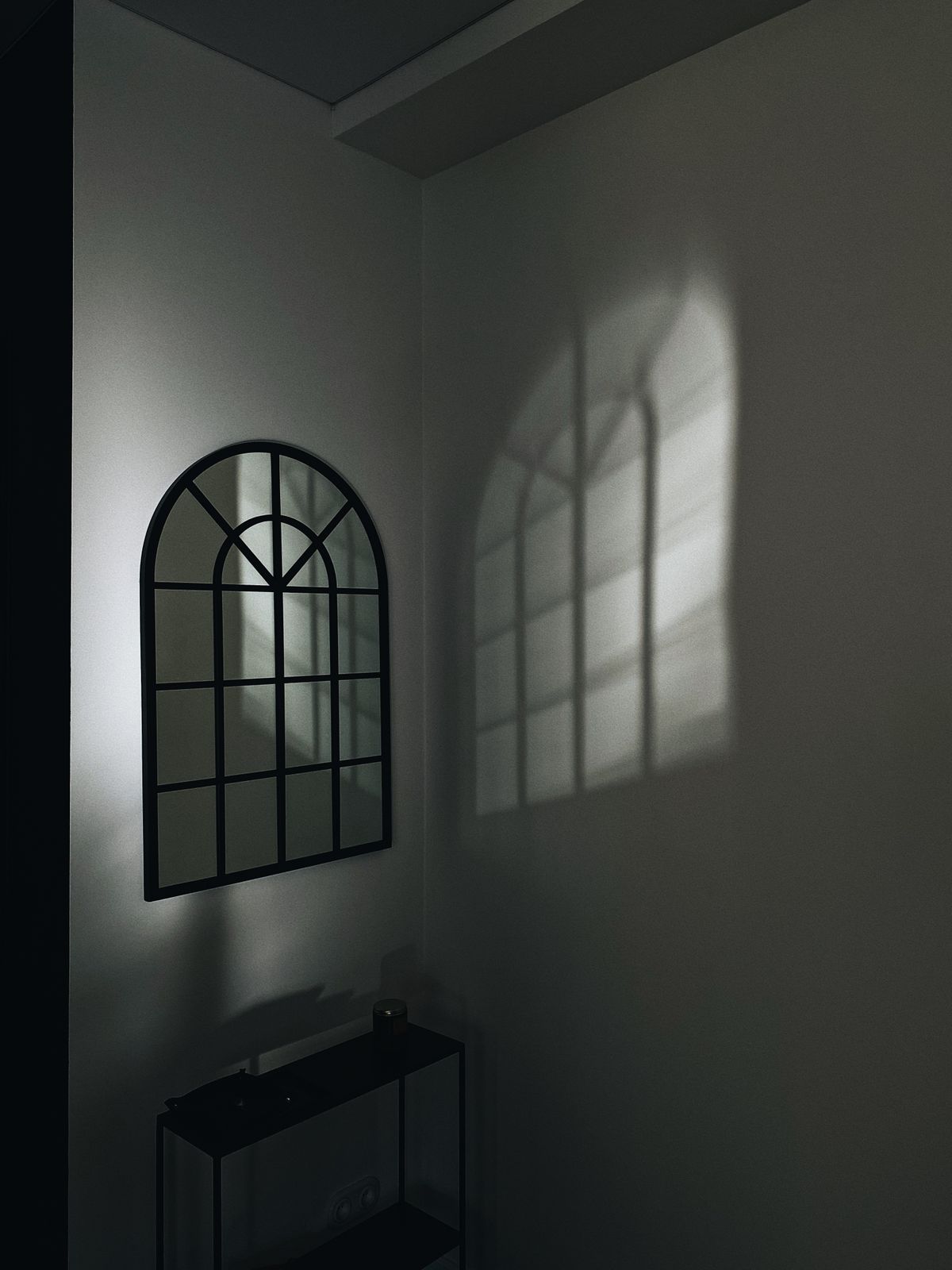
A mirror reflects whatever is in front of it, including light, but it does not replace a window. Choosing its position means looking at the view it returns and how people move through the room.
Decorating
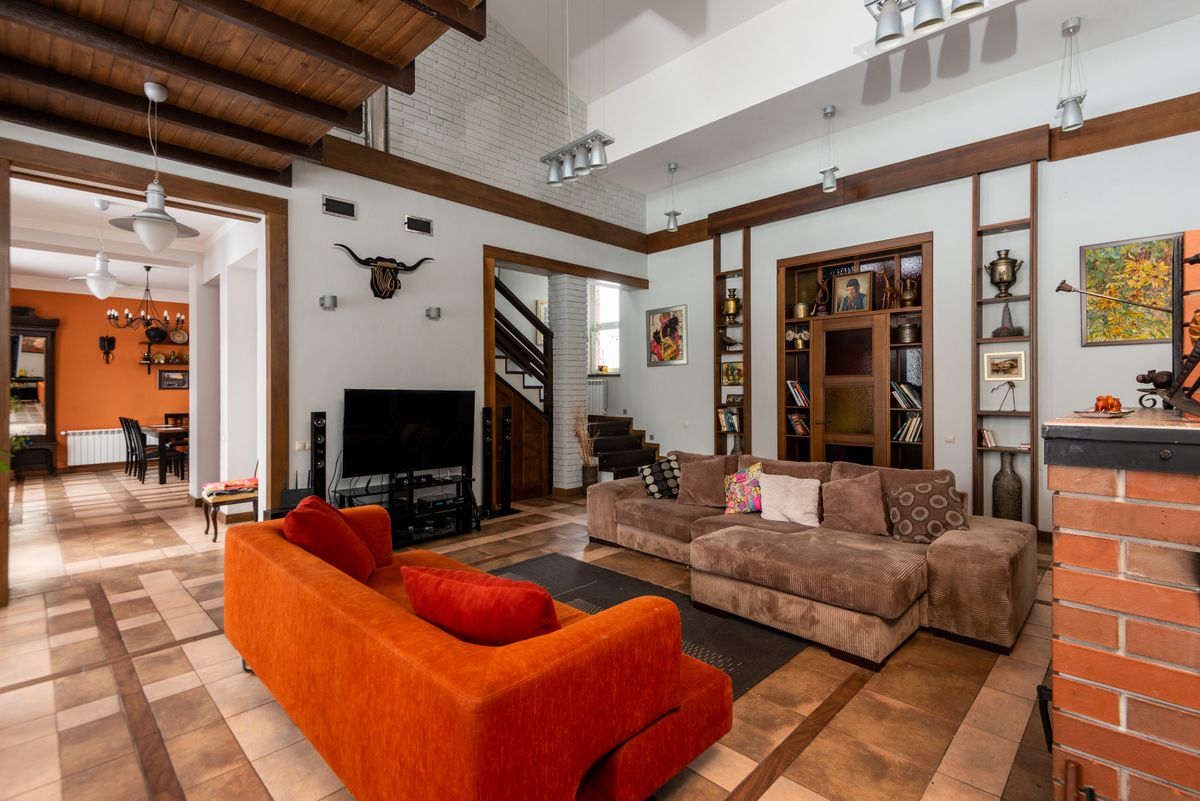
Renting does not mean giving up colour. The easiest changes are often those you can maintain, move and reuse, within your tenancy conditions and the home’s safety requirements.
Decorating
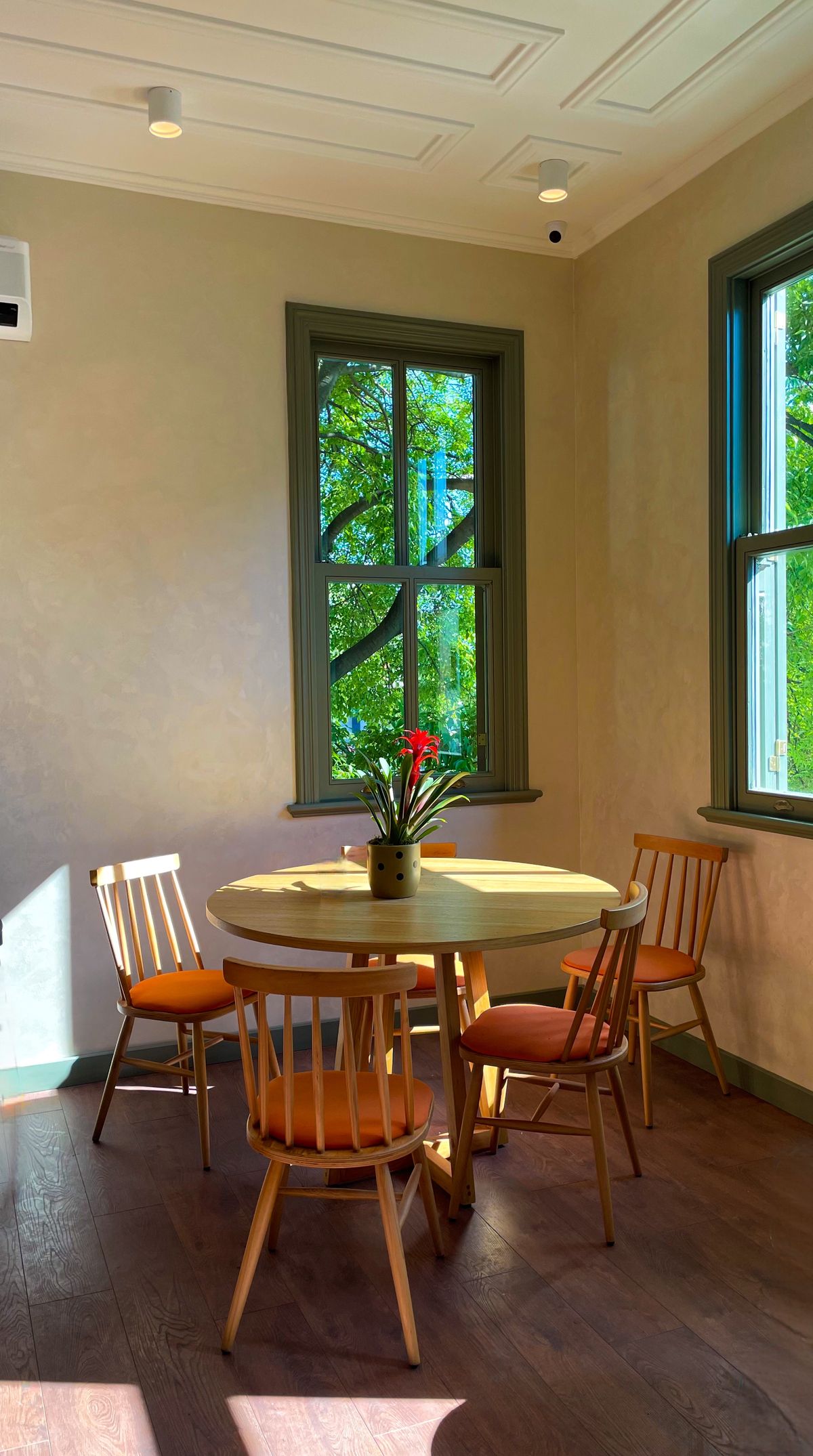
A round table suits some layouts particularly well, but it does not magically take up less space. Compare its full diameter, base arrangement and the room chairs need when people get up.
Decorating
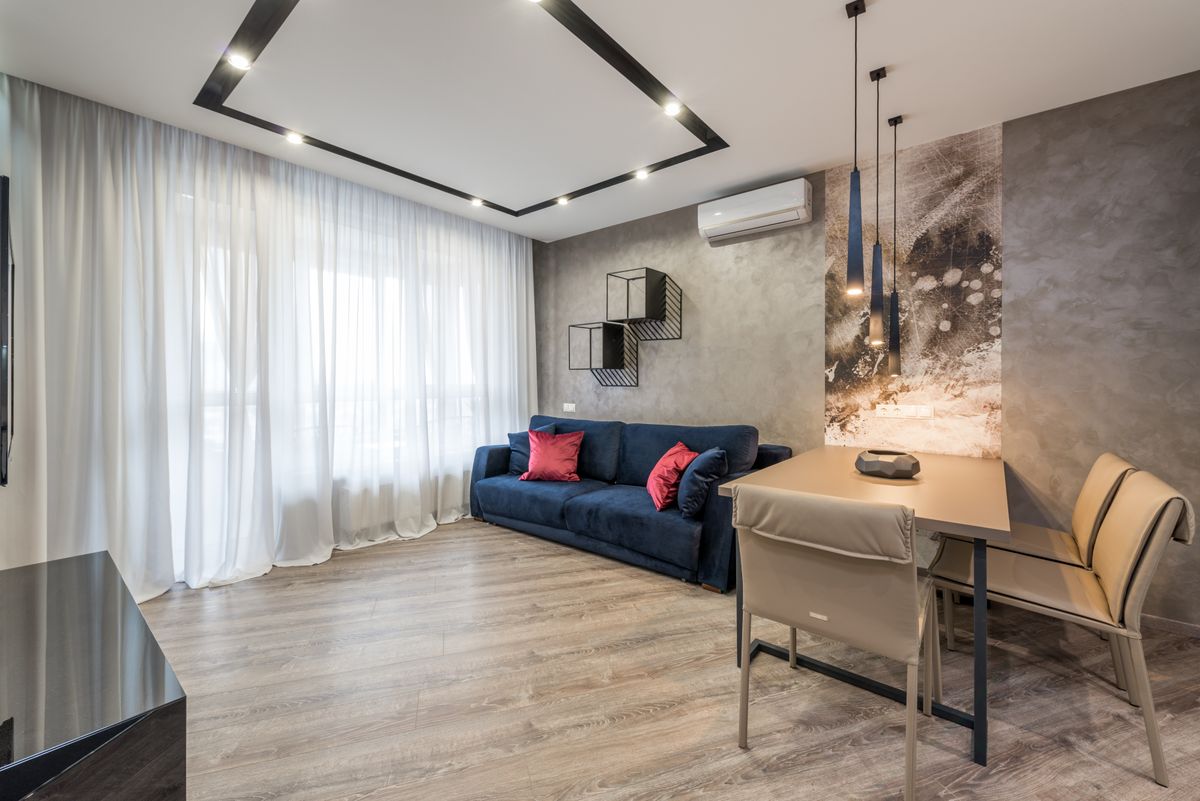
A long living room often improves when it stops acting like a corridor lined with furniture. Dividing it into areas can help, provided the route between them remains clear.
Decorating
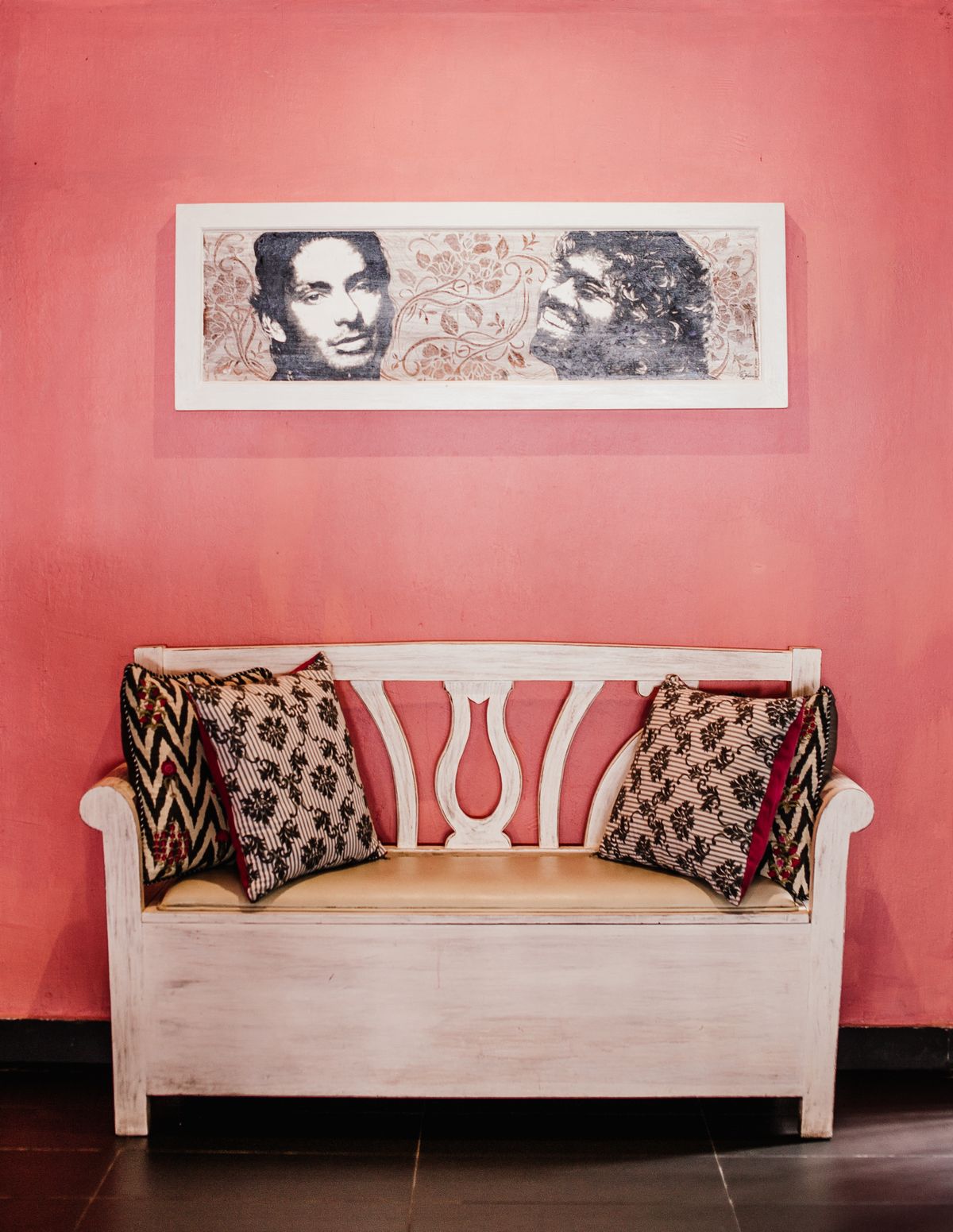
Picture height depends on where you view it and what surrounds it. A commonly repeated measurement can be a starting point, but it cannot replace checking the wall from within your own room.
Decorating
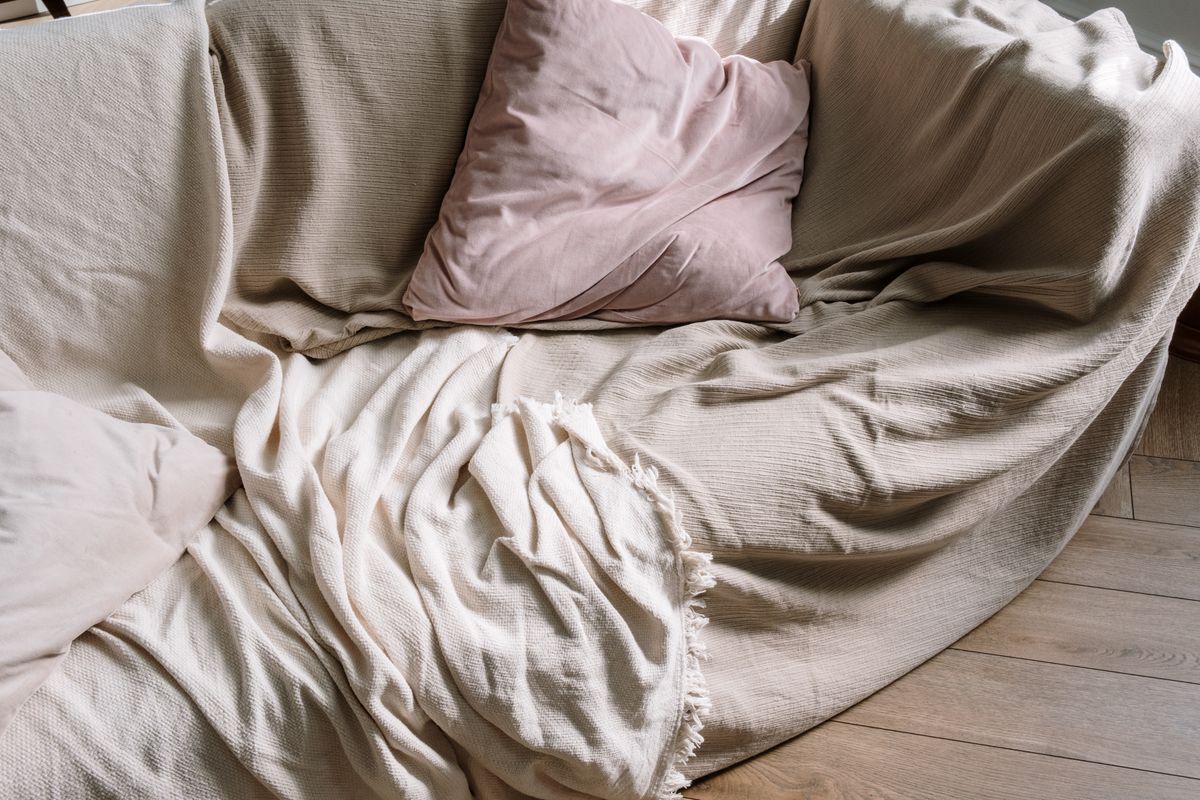
Changing a few textiles can refresh a room without starting again. The useful distinction is between a change that responds to the weather and one that simply adds washing and storage work.
Decorating
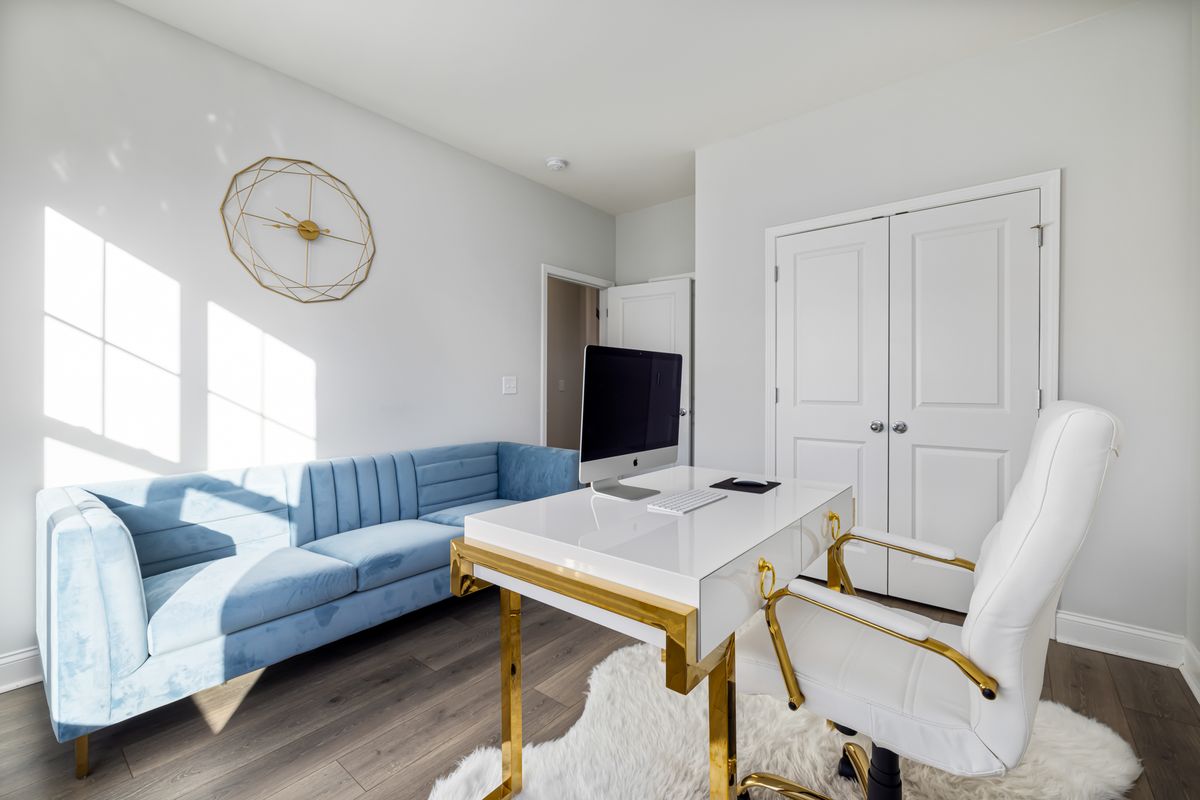
A desk in the living room needs to work during the day and when work finishes. Integrating it does not mean hiding it at any cost; it means giving it a comfortable position and a clear boundary.
Decorating
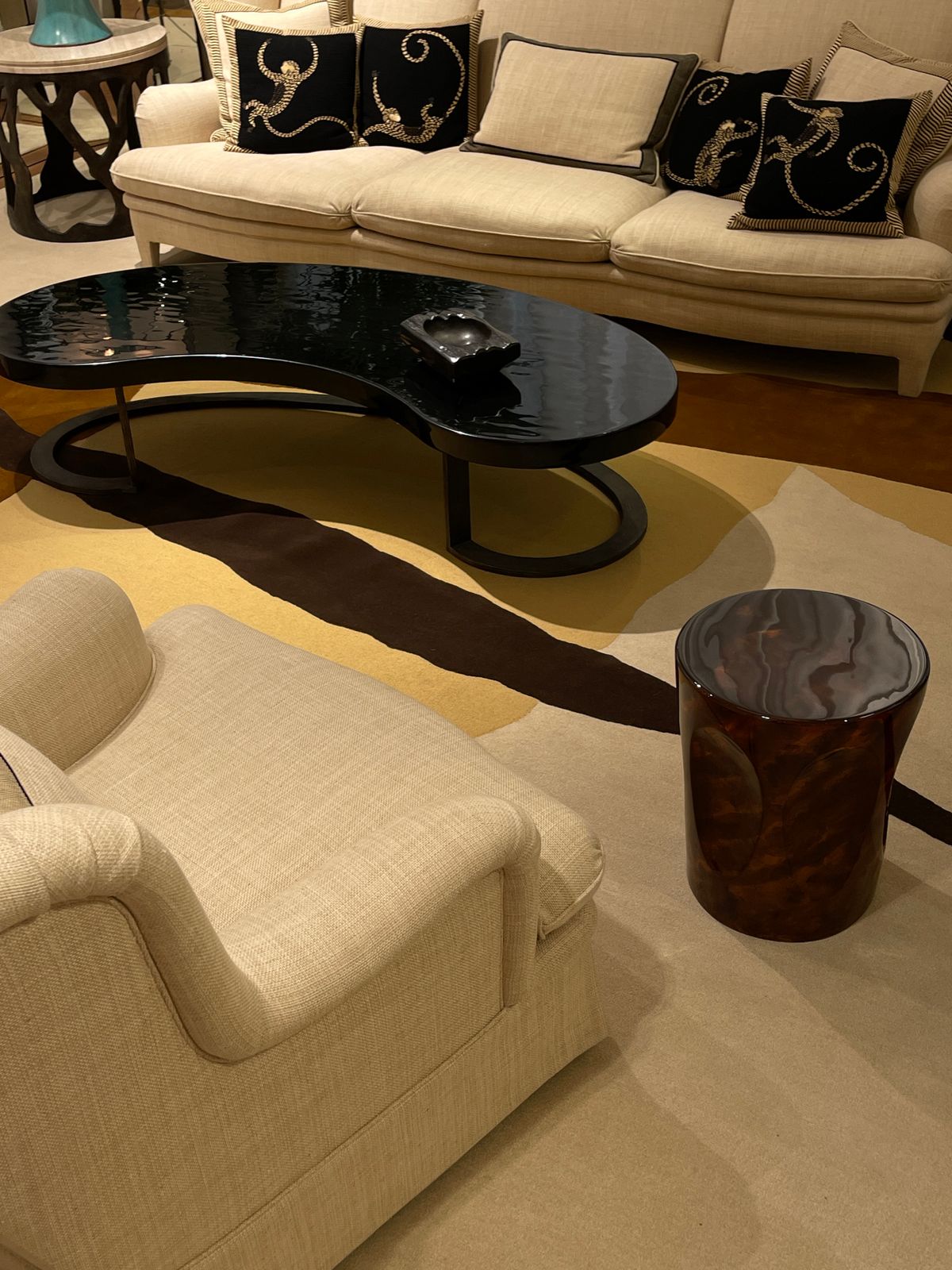
A black detail can define a light room without making it dark. Its effect depends on quantity, size and placement rather than repeating it across every object.
Decorating
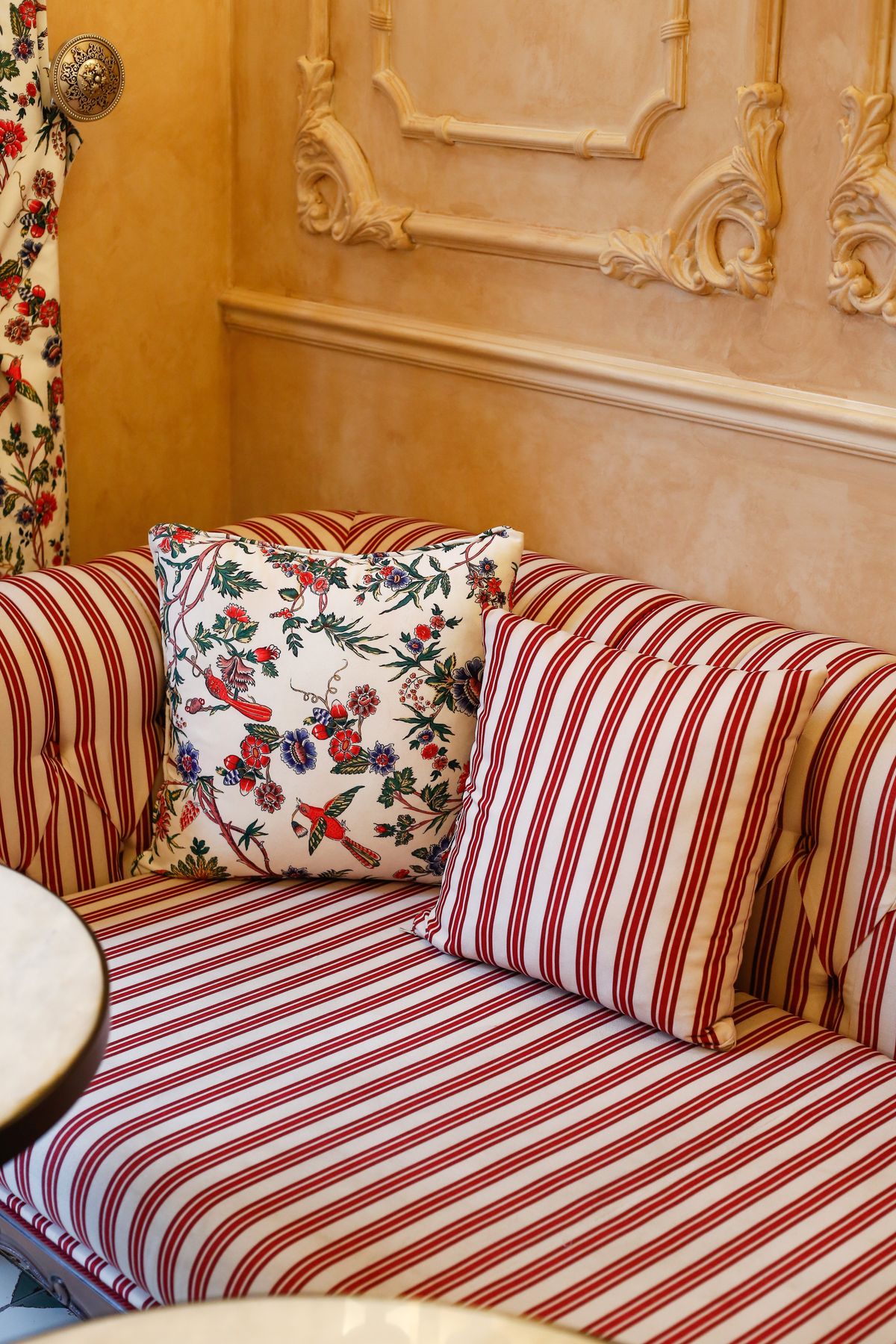
Mixing patterns becomes easier when they are not all trying to do the same job. One can lead, another can support it and a plain surface can give the eye somewhere to rest.
Decorating
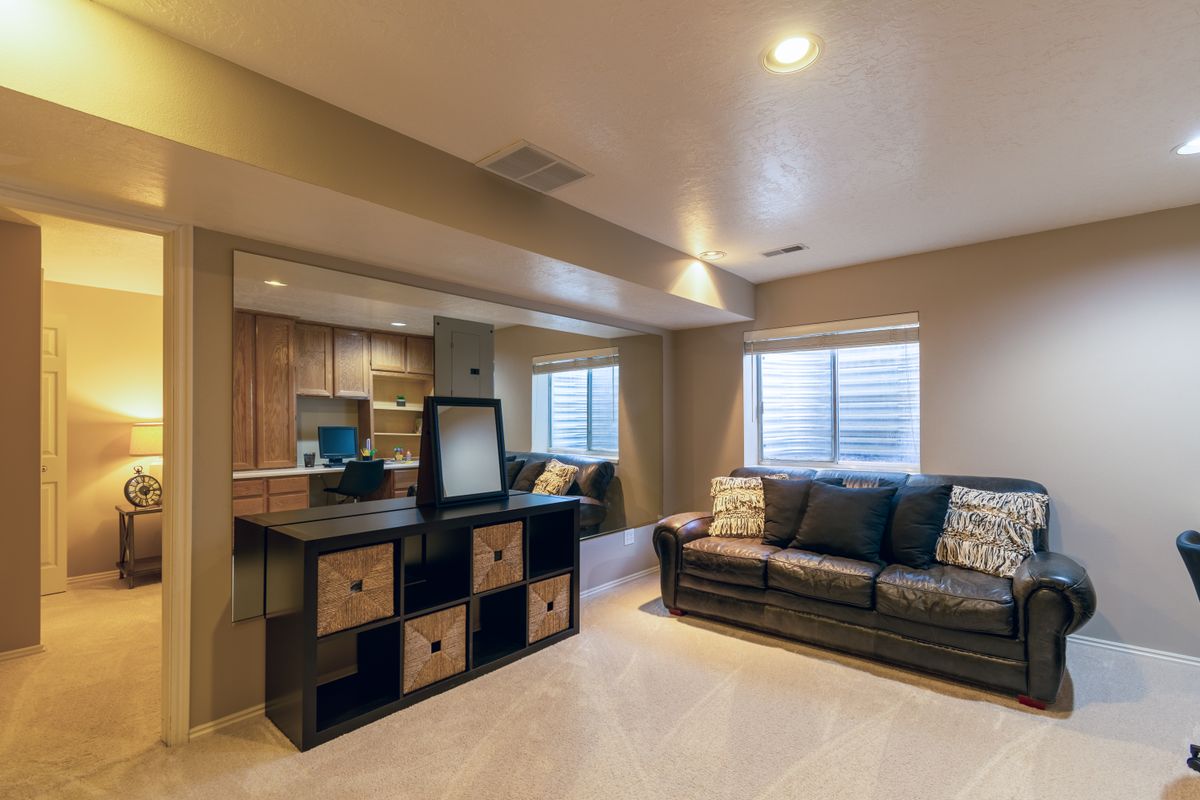
A low ceiling does not require an entirely white room or characterless furniture. Start by reducing real obstructions and deciding where you want attention to settle.
Decorating
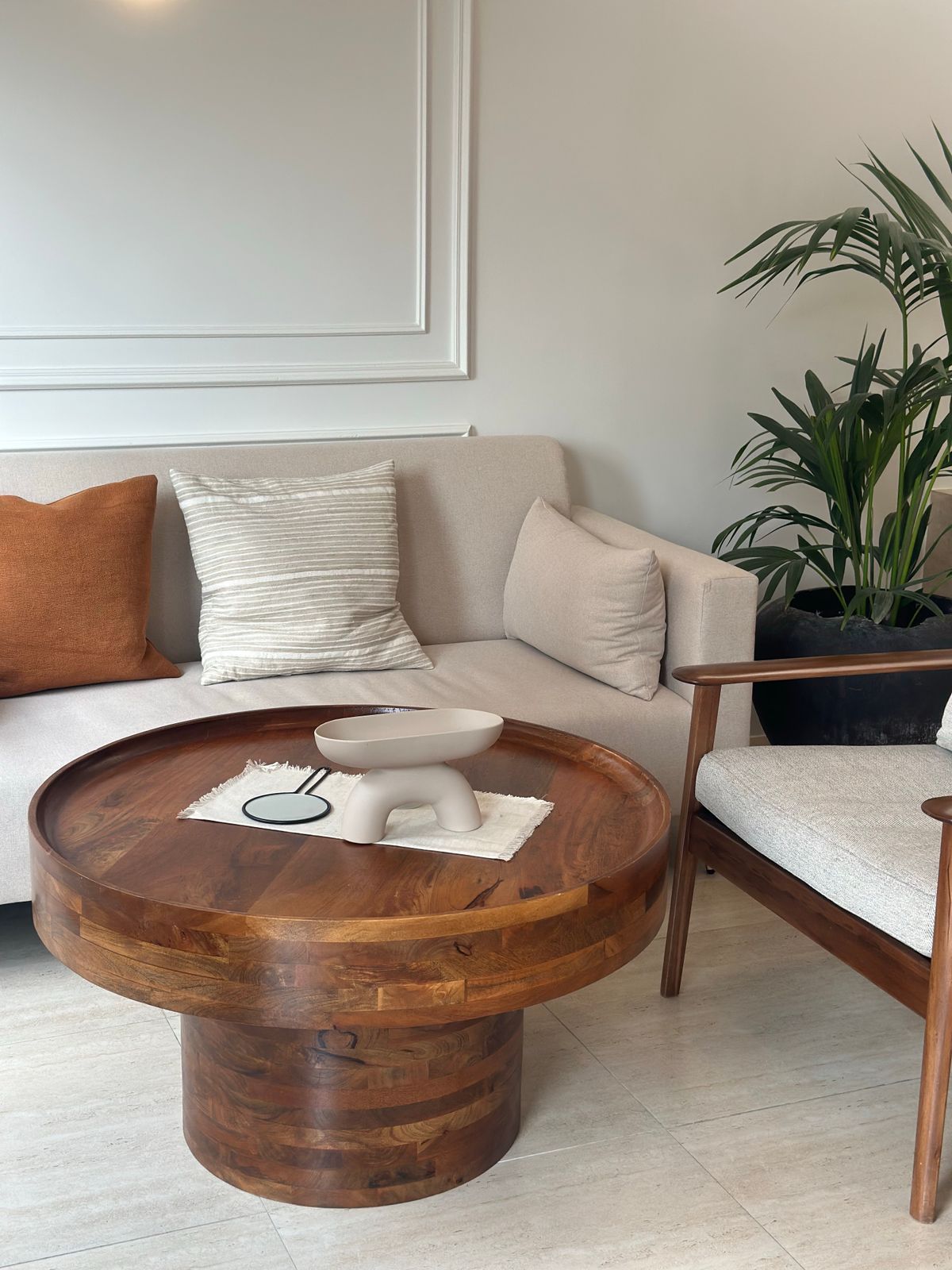
A coffee table sits at the centre of a busy area. If decoration prevents you putting down a cup, opening a book or approaching the sofa, start by giving the surface some space back.
Decorating
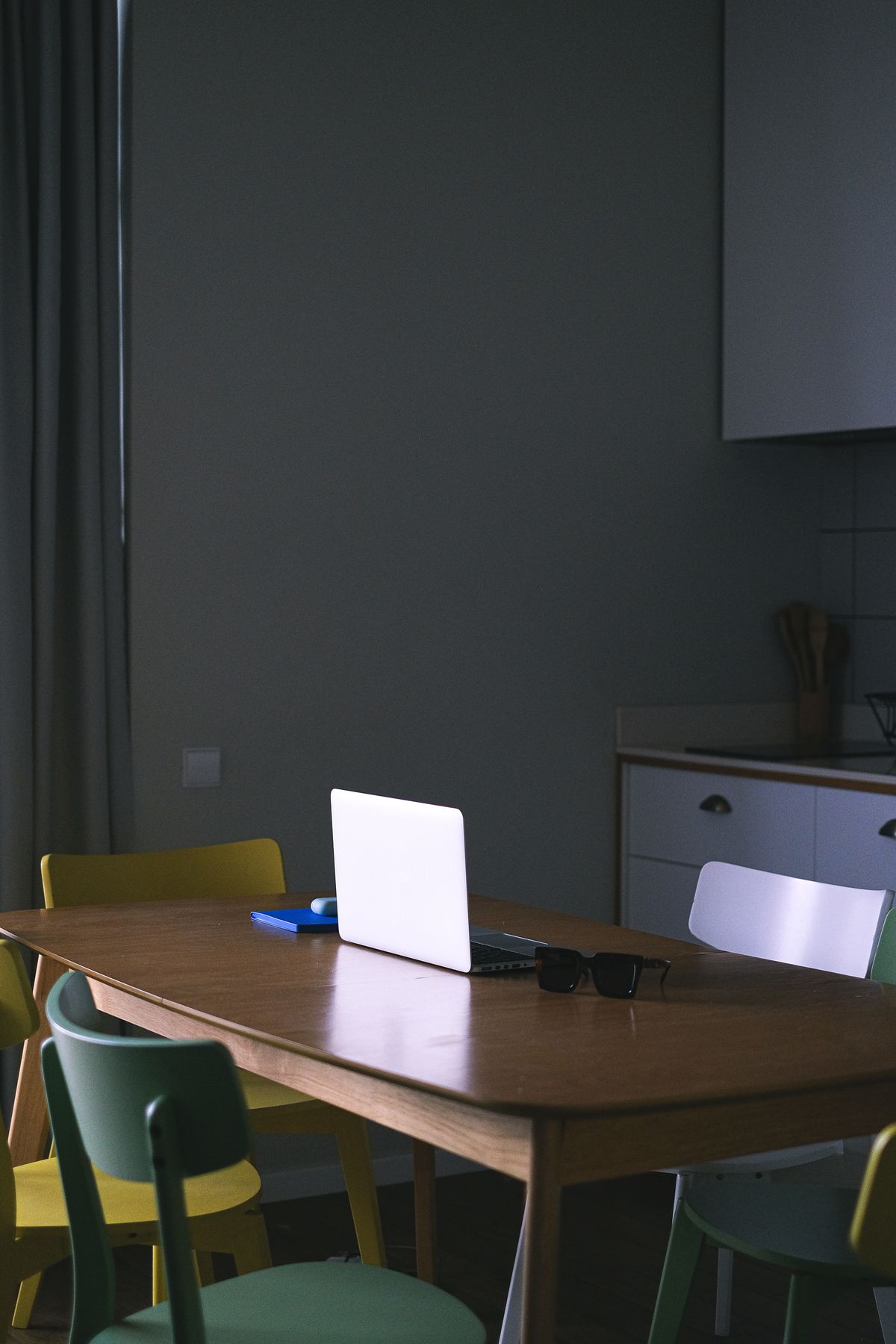
Different dining chairs can give a room character, provided they still work together around the table. Check their physical relationship first and think about colour afterwards.
Decorating
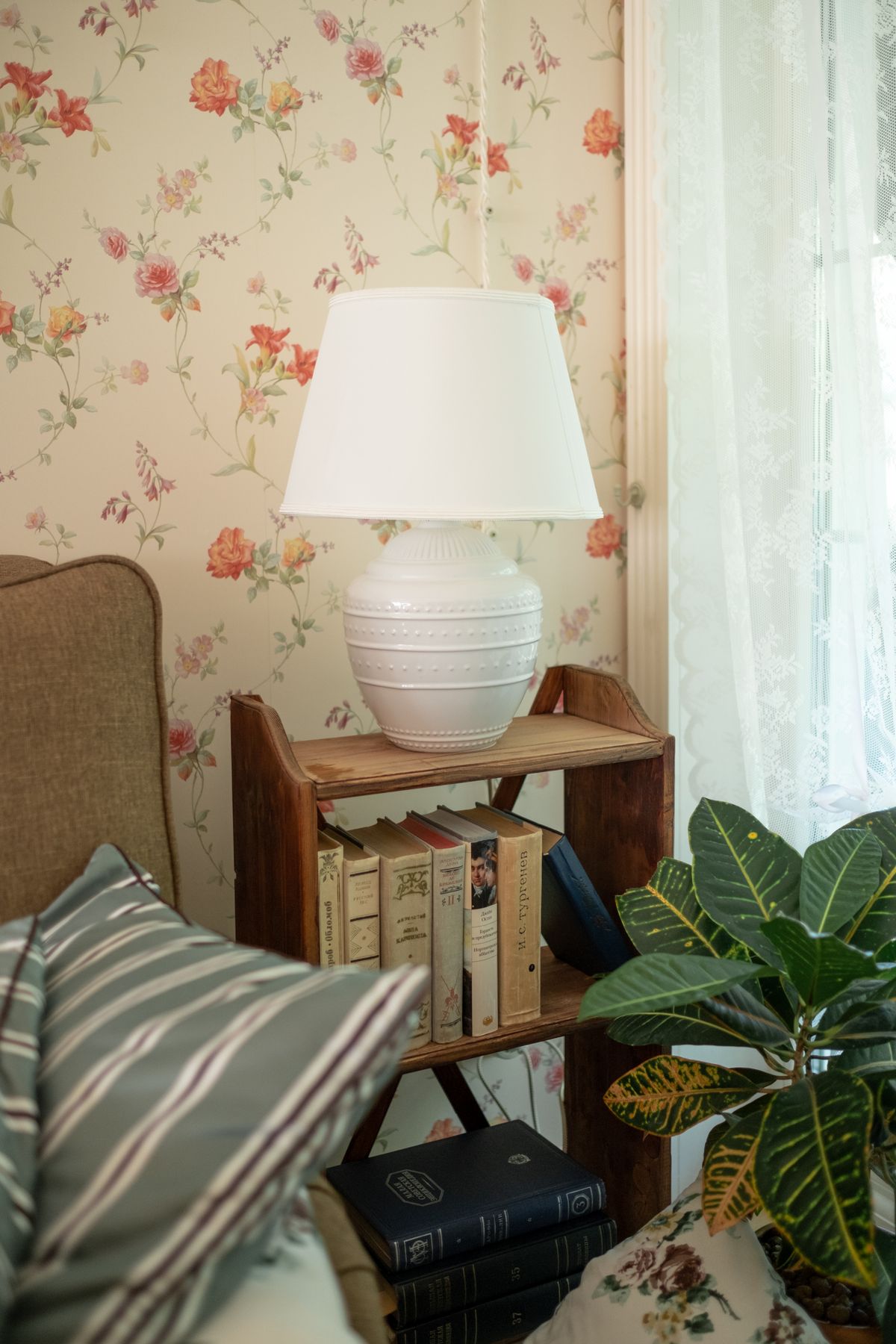
A small area lets you enjoy a distinctive wallpaper without covering the whole home. The pattern, edges and wall preparation still need a complete plan.
Decorating
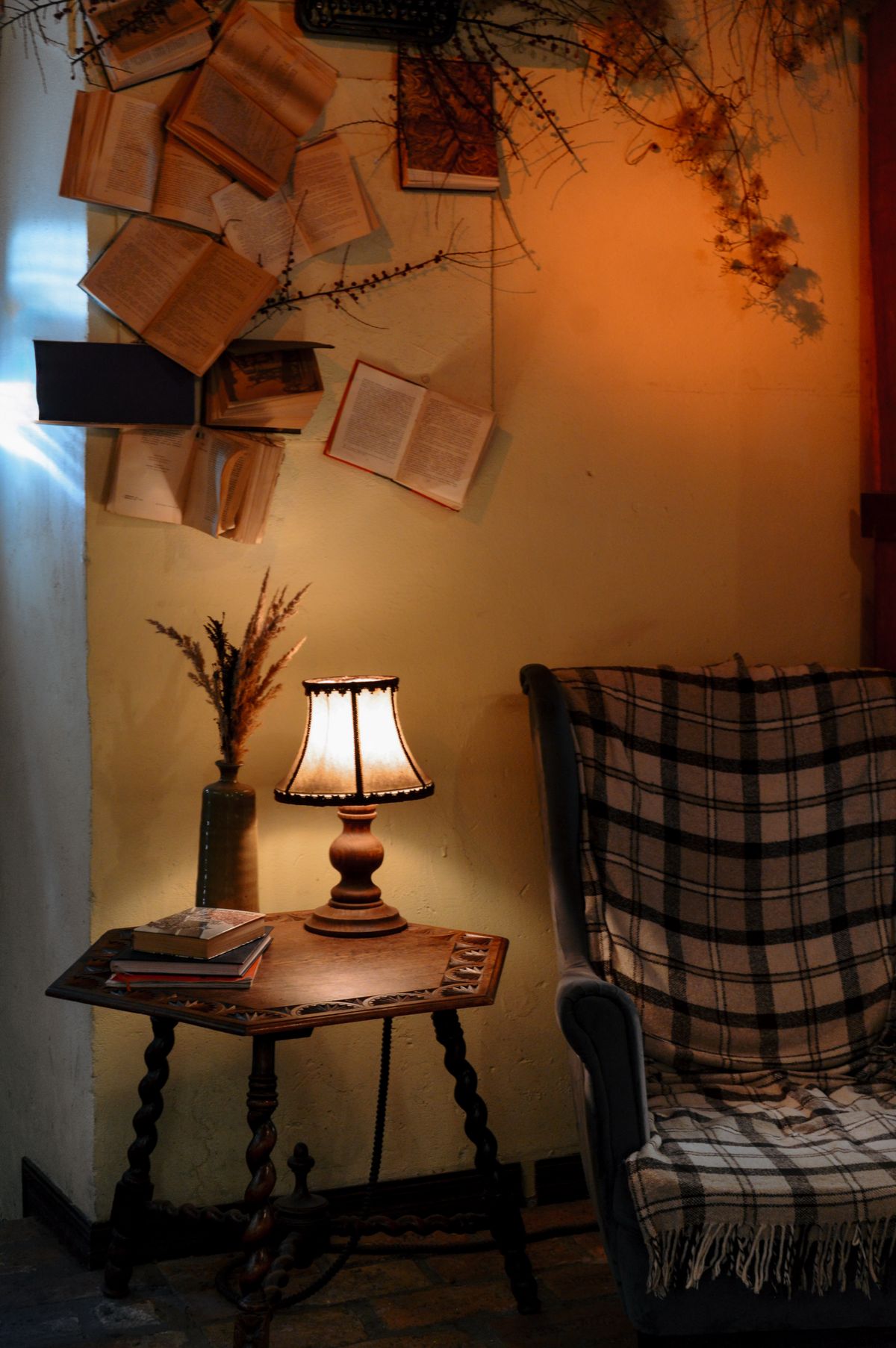
A reading corner works when you want to sit down and can comfortably stay. The chair matters, but so do lighting, foot support and somewhere to leave the book when you get up.
Decorating
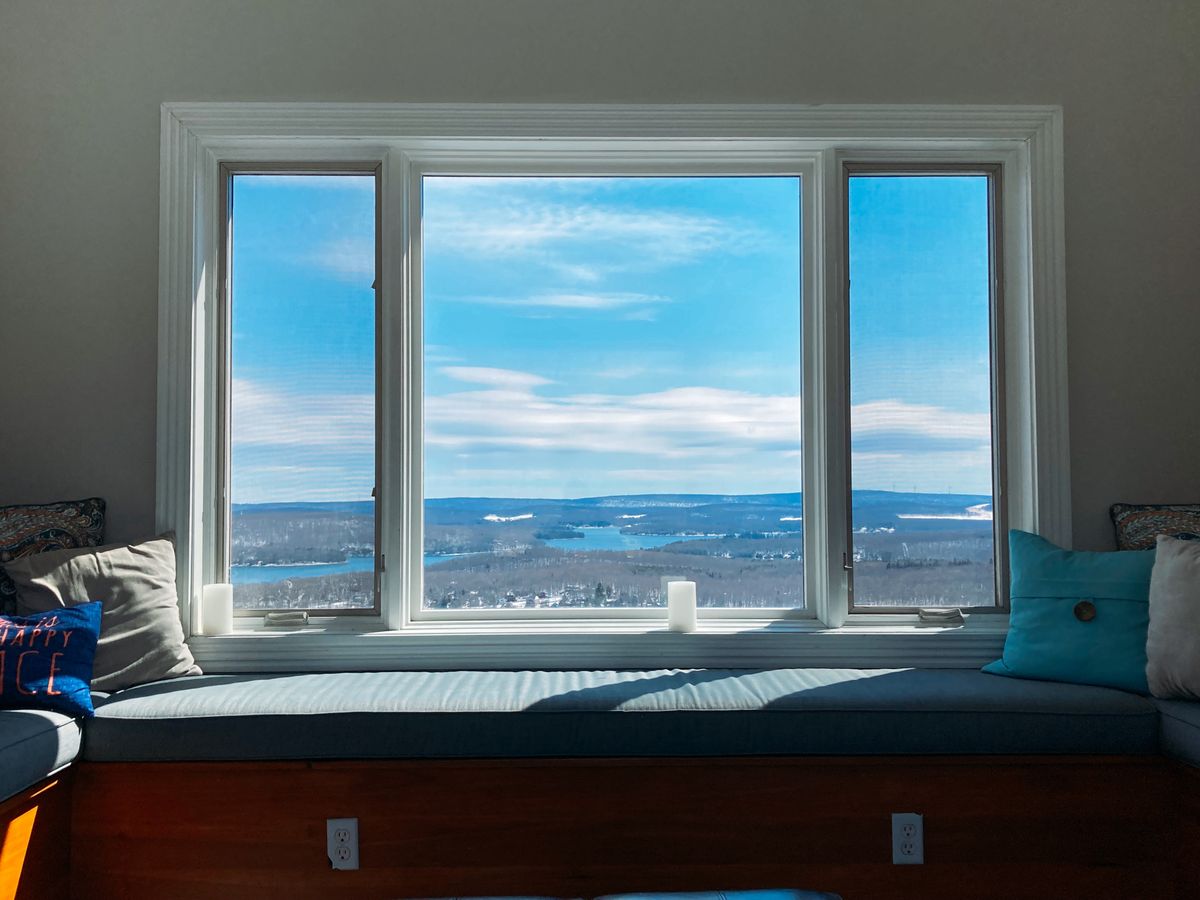
The area beside a window might support sitting, plants or occasional work. Before choosing a function, check how the window opens and what must remain clear around it.