Begin with what happens on the floor
A rug beneath a dining table encounters crumbs, chairs and possible spills; one beside a bed may prioritise barefoot comfort. Record those conditions before choosing a fibre. Check doors, wheels and edges to establish whether thickness will create a problem. You may enjoy a deep pile, but need to know how it is cleaned and how a chair moves over it. A material name cannot answer those questions or guarantee that one construction works throughout the home, regardless of the activities taking place.
Compare samples rather than labels
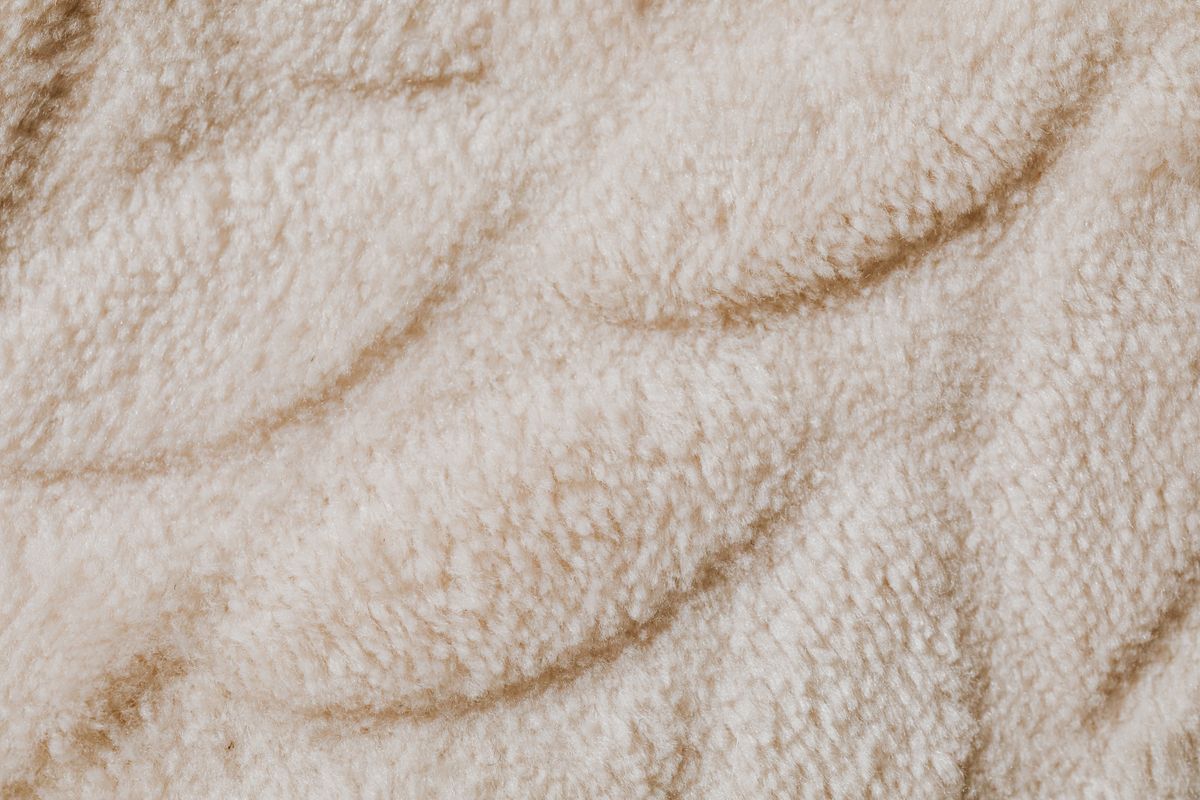
Wool, cotton, jute and synthetic fibres appear in many different constructions. Feel the face and inspect the reverse where possible. A blend may behave differently from a single-fibre item. Ask about initial shedding, colour stability and specific care, without assuming natural means washable or synthetic means waterproof. Seek information about the finished piece. Broad claims about a material are not guarantees for every rug made from it, particularly where dyes, backing or decorative details introduce additional requirements that the headline description does not mention.
Review cleaning, backing and placement
Check whether rotating vacuum brushes, spot treatment, washing or professional cleaning are permitted. Wool and delicate dyes require compatible products. Plant fibres and glued backings can also restrict moisture. If a rug is advertised as washable, verify the size and weight your machine must handle as well as the drying method. Do not select a piece for frequent spills if you would only accept home laundering and its actual care requires a different process you are unwilling or unable to arrange.
Underlay must suit both the flooring and the rug; not every rubber backing works with every finish. Confirm that the rug lies flat and allows doors to open. Measure with furniture in use rather than only in an empty space. Before deciding by colour, consider the complete cost including underlay, cleaning and any transport. A sample helps judge touch and maintenance, while dimensions and installation establish whether the piece will work without becoming an obstruction. Both checks matter even when its appearance seems ideal.