Begin with what already happens
Watch which toys get used, which become mixed together and which disappear at the bottom of a box. Before creating a rotation, reunite each game's pieces and check their condition. Broken or unsafe loose parts should not return to a reserve box. Follow the manufacturer's age guidance and warnings, particularly when children of different ages share the space.
Leave familiar favourites available. A doll, a set of blocks or the bedtime book does not need to vanish because the box is due to change. The purpose is to support play, not start a daily search for something a child still wants to use. Keep the arrangement flexible enough to reflect their preferences.
Boxes that make sense when opened
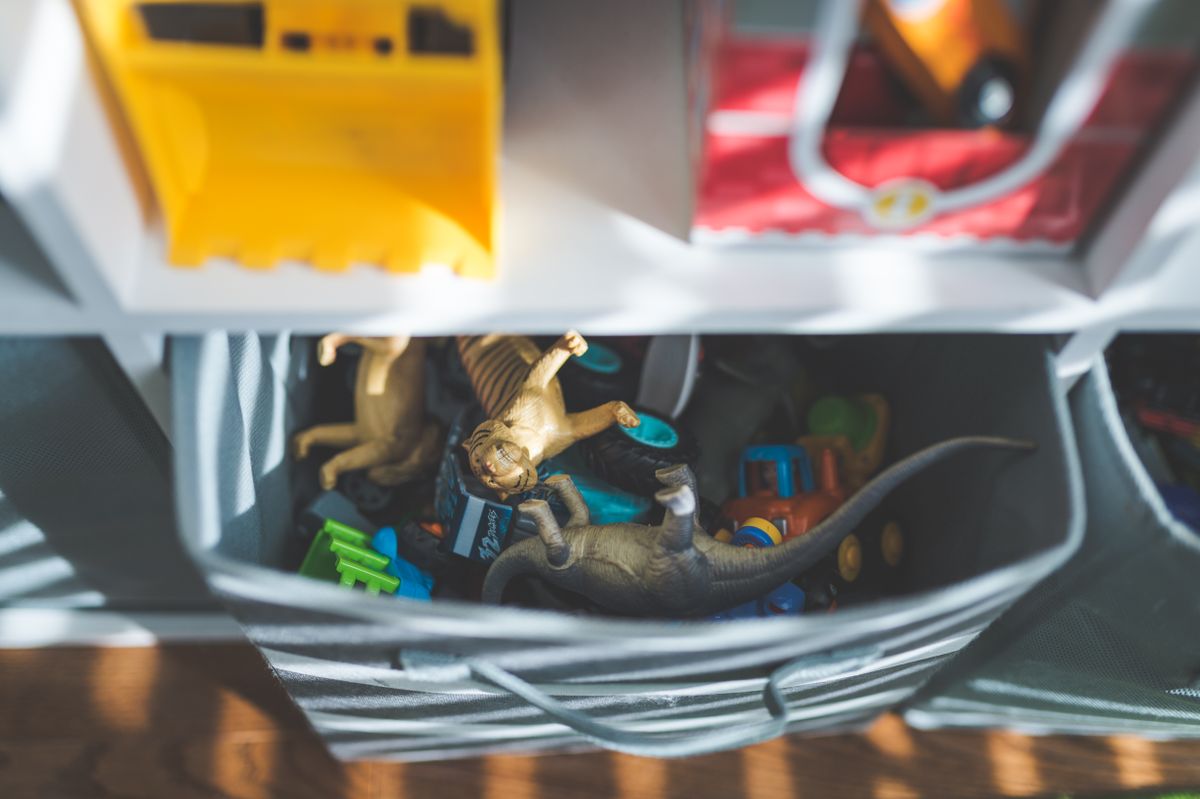
Group manageable amounts by activity. One box might hold cars and a few road pieces; another could contain animals and their play setting. If finding a small accessory means emptying the entire container, divide the group or use a suitable inner container. Keep any packaging that could be hazardous away from young children.
Choose lightweight boxes without damaged edges and with closures suitable for their users. A picture of the contents can work better than a written label for younger children. Put current toys at an accessible height and keep reserves out of the walking route. Install and secure storage furniture according to its instructions.
Do not fill every box to the rim. Leave enough room for ordinary movements when returning pieces, rather than requiring a precise arrangement. Try tidying the game yourself at a normal pace. If every car must face one particular direction to fit, the system will probably be difficult to maintain during an afternoon of play.
Change things when there is a reason
Refresh a box when interest fades or a different activity emerges, rather than insisting on a change every Monday. Invite the child to choose what goes away and what comes out when their age allows. A box returning after several weeks may feel interesting without any new purchase.
Before bringing out the next set, check that the previous one is clean and complete. Note missing pieces so they do not become distributed among several boxes. If something remains unused after several opportunities, decide whether to donate, sell or keep it for a specific reason.