Start with sleeping and movement
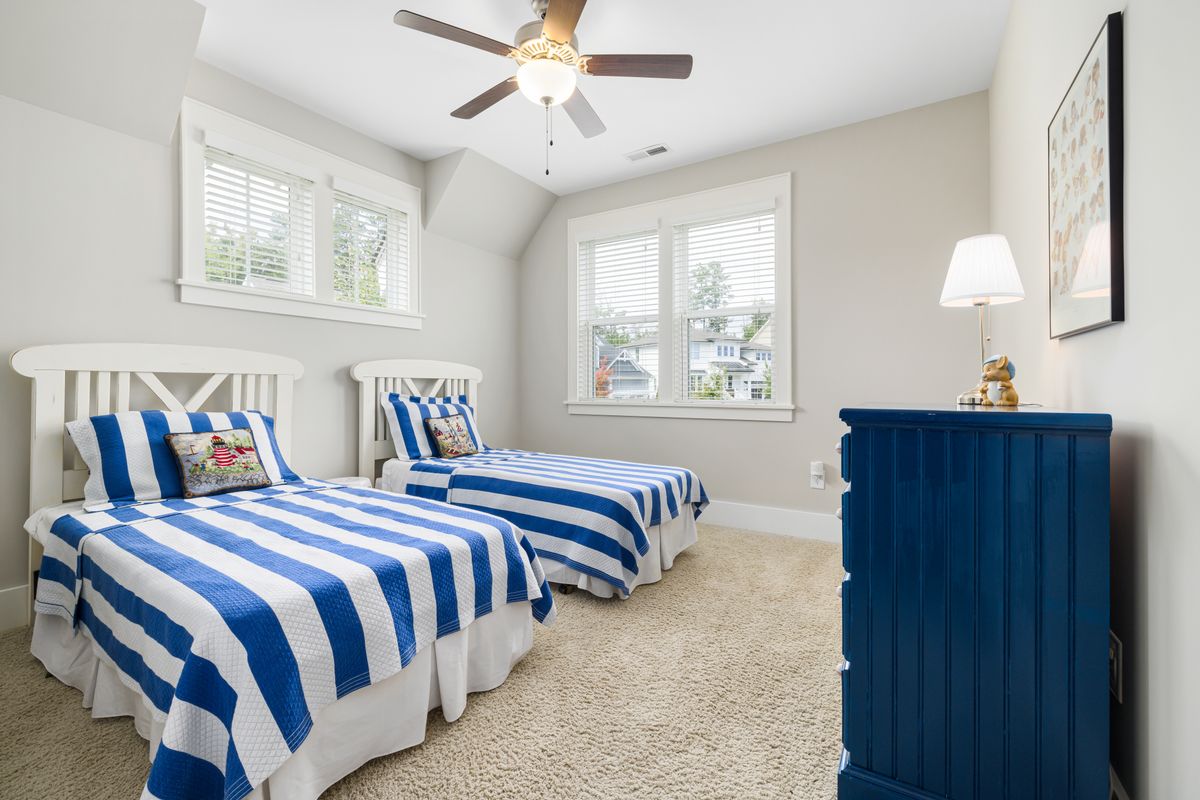
Position beds so people can get in, get out and make them without moving other furniture. Keep exits clear and avoid creating easy access to windows or cords. Safety decisions should come before decorative ones.
If considering bunk beds, check the particular model’s age limits, guards, mattress requirements and assembly instructions. Do not improvise a structure to save floor space. A photograph is not evidence that an arrangement is safe.
Give each person a recognisable place
A personal drawer, shelf or container may be more useful than dividing the entire room with furniture. Identify these areas in a way both children understand. Needs change, so leave scope to revise the allocation.
Separate shared belongings from personal ones. When toys, schoolwork and treasured objects mix, disagreements may begin with uncertainty about where things belong. A simple arrangement supports tidying without demanding excessively detailed categories.
Allow different rhythms
A directed reading light and somewhere to prepare clothes can help when schedules differ. A visual divider does not necessarily block sound or light. Identify the problem before adding more volume to the room.
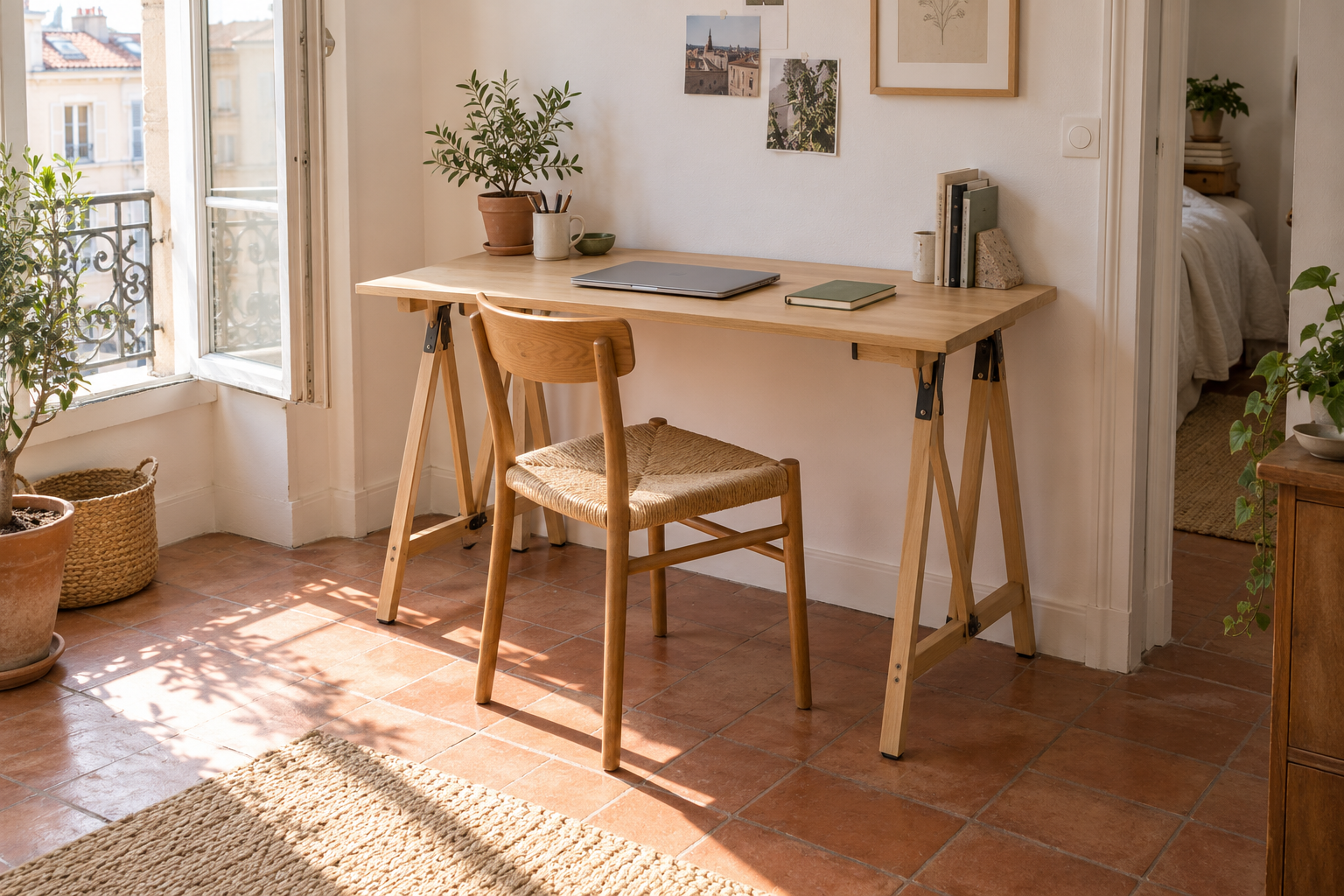
For a shared desk, decide how each project is stored afterwards. Two trays or folders may allow activities to alternate without one person having to dismantle the other’s work. Check that these storage places remain reachable while the desk is in use.
Review from their height
Items children can appropriately use independently should be accessible, while age-inappropriate objects need different storage. Anchor tall furniture as instructed. Avoid arrangements that encourage climbing to reach an appealing box.
Watch an ordinary week: where clothing gathers, which drawer is awkward and which area remains unused. Adjust around those observations. A shared bedroom needs to evolve with its occupants rather than preserve perfect symmetry indefinitely.
Further reading: