Stainless steel comes with different surfaces
A fridge door may have an anti-fingerprint coating while a sink has an uncoated steel surface. Do not automatically polish both with the same product. Check the appliance instructions and reserve conditioners for surfaces where they are approved. Black or coated finishes may be incompatible with ordinary stainless-steel treatments. Photograph the appliance identification plate if you need to locate its model, then keep the relevant care information. A generic cleaning label on a bottle cannot account for every coating used on a modern appliance.
Lift soft dirt first
On a surface that permits gentle damp cleaning, begin with a lightly moistened cloth and the stated cleaner. Food splashes usually require less effort before they dry. Avoid spraying directly over buttons, joints or openings. Putting the product on the cloth gives better control over where it goes. Use a restrained amount and turn to a clean section as it collects grease. Continuing with the same greasy patch merely spreads a film across the door, even if it initially appears cleaner from a distance.
Find the grain
Many brushed finishes show fine directional lines. Follow them with gentle strokes rather than making repeated circles over a fingerprint. Looking from the side can help reveal the direction. Where no grain is visible, follow the particular finish's instructions instead of inventing one. Even an apparently clean cloth can contain a hard particle from a previous job, so inspect it before starting. Keep steel wool, abrasive pads and scouring powders away from surfaces they could scratch. Pressure is not a substitute for the right method.
Rinsing and drying finish the job
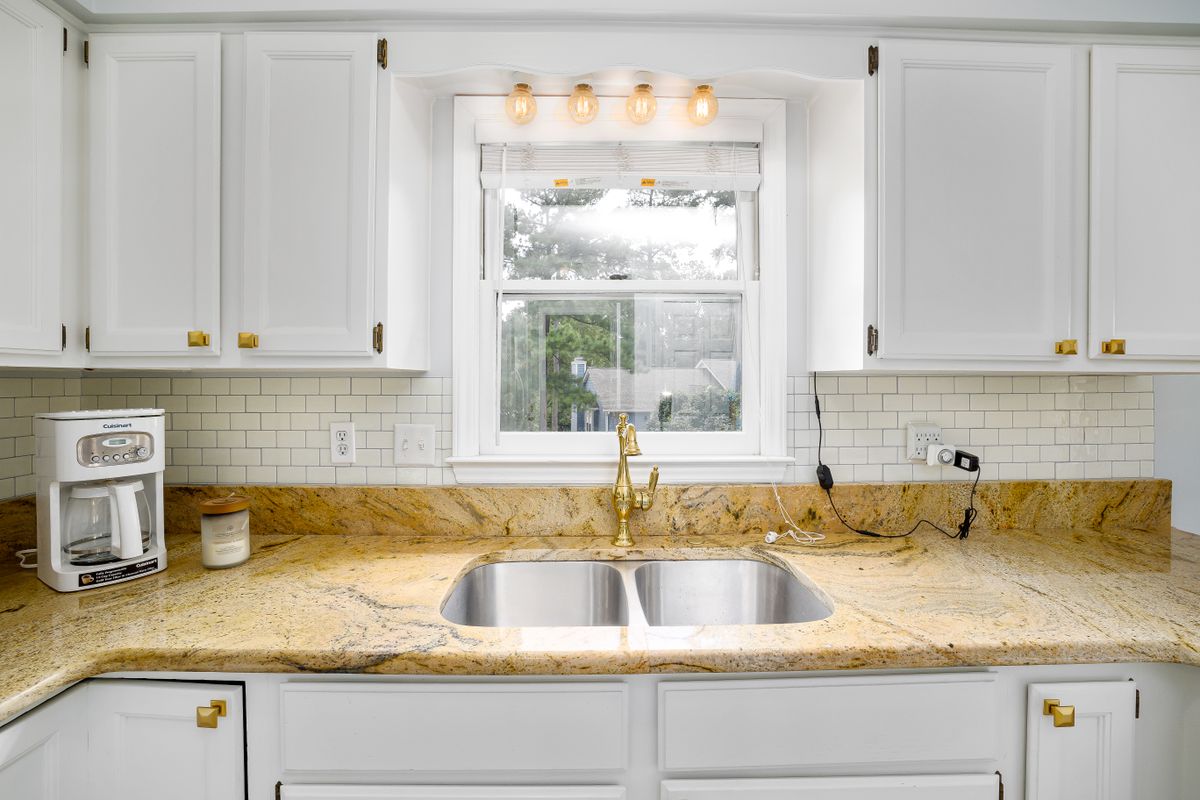
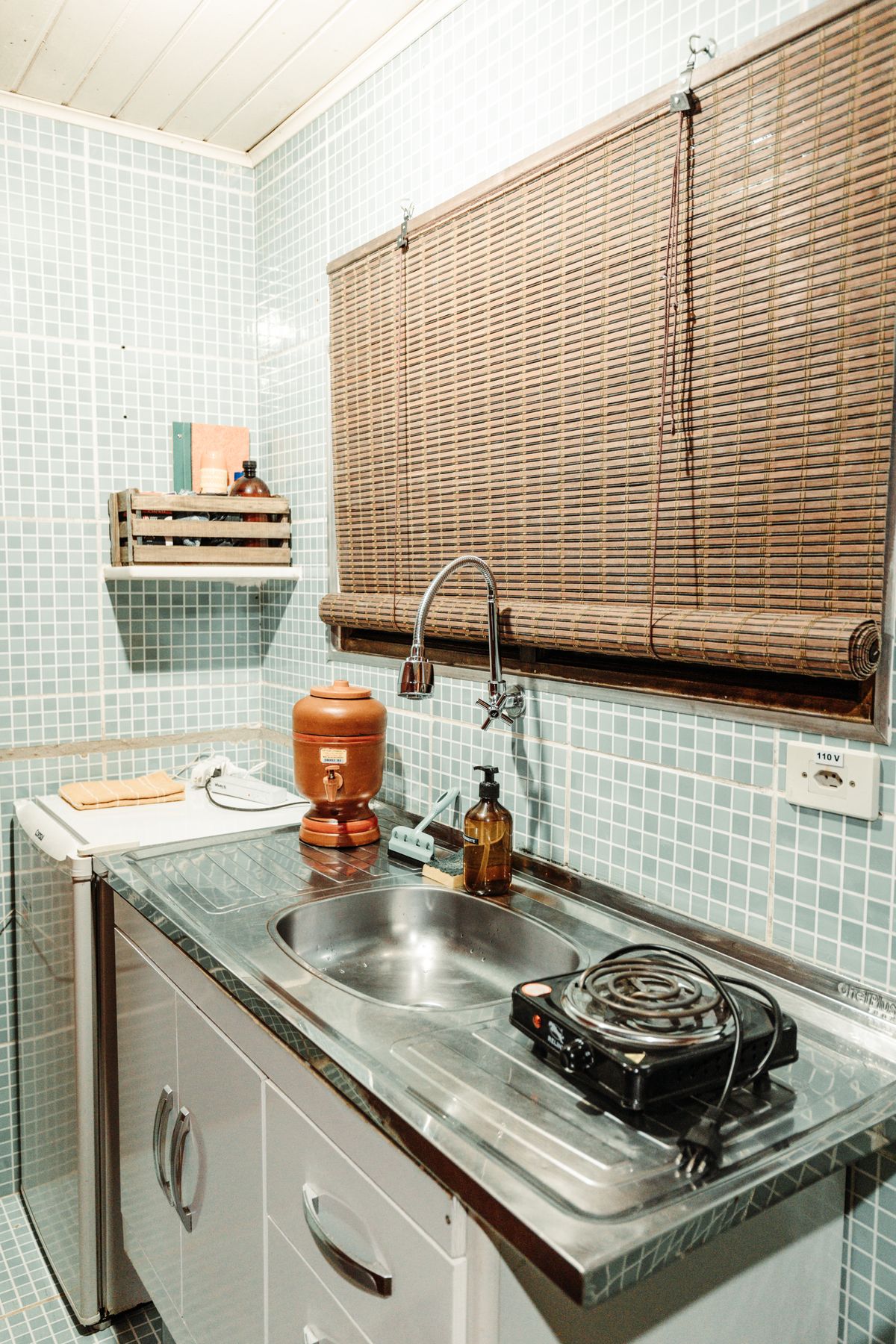
If the cleaner requires rinsing, remove its residue with a separate damp cloth, then dry with another clean one. Do not let water run towards a control panel. At a sink, give attention to the tap base and drain surround, where water tends to remain longer. Remove salty residues and clean after use as the sink instructions recommend. Avoid leaving a wet sponge or a metal container sitting in one place. Check beneath draining racks rather than cleaning only the visible bowl.
Recognise when polishing is unhelpful
A scratch is not necessarily removable dirt, and a differently coloured patch may be a damaged coating. Do not try sandpaper or metal polish on a coated appliance door to recover its shine. Ask the manufacturer about corrosion or a persistent mark, supplying a clear photograph. Avoid combining cleaners and do not make bleach your default steel treatment. Two separate cloths, one for cleaning and another for drying, often contribute more to a consistent result than another bottle in the cupboard.