The finish decides the method
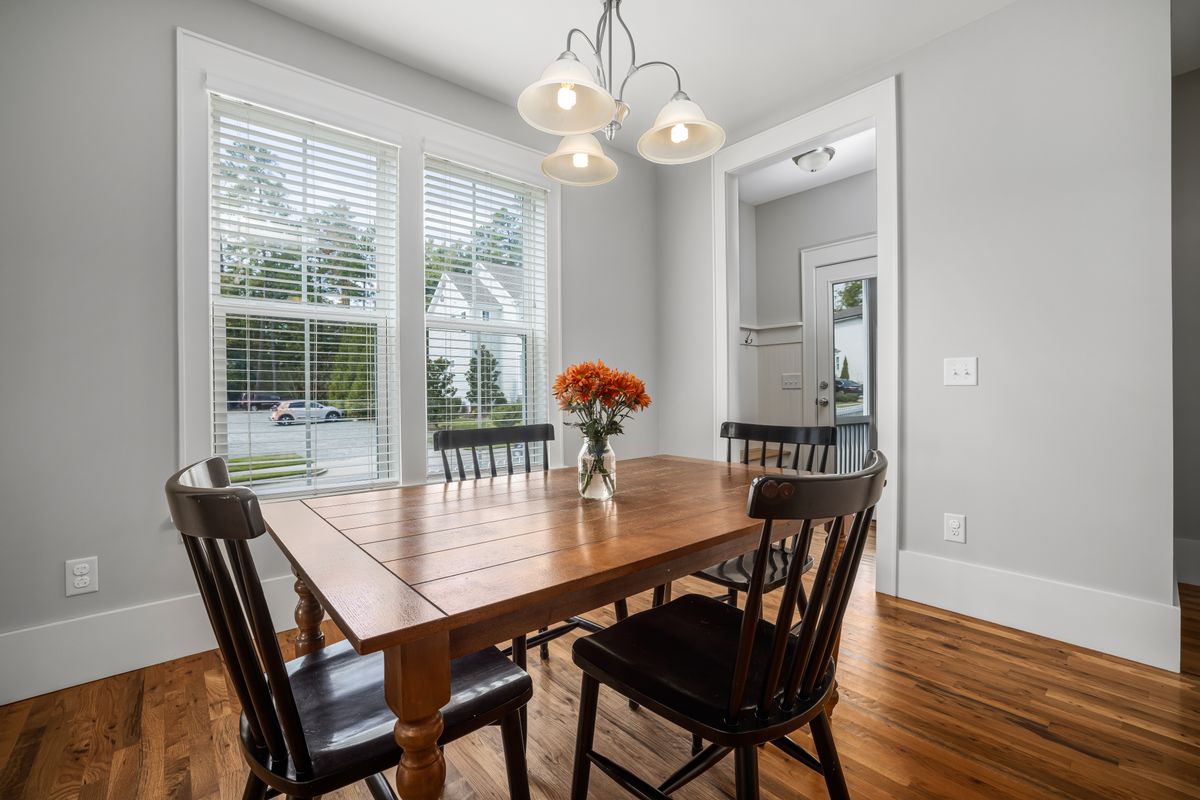
A lacquered table, an oiled top and untreated timber can look similar across a room but react differently to water. Check the furniture information or ask the maker before choosing a cleaner. With a second-hand table whose treatment is unknown, avoid starting with oil, wax or intensive washing. Inspect an inconspicuous area and make the first intervention a gentle dusting with a clean, soft cloth. The aim is to understand the surface before changing it, not to make it shine immediately.
After a meal
Collect crumbs without trapping them beneath a heavy object and dragging it across the top. Follow the cleaning method for the finish. Where a lightly damp cloth is permitted, wring it out thoroughly and dry afterwards. Work in small areas, including around the edges. Do not leave a wet washing-up cloth on the table while tidying the kitchen. Water beside a joint or small crack may reach material that is less well protected than the main surface.
Protect the useful spots
Put coasters beneath cold drinks that produce condensation and suitable heat protection under serving dishes. A thin tablecloth is not necessarily a heat barrier. Inspect the undersides of vases, trays and plant pots: rough bases can scratch, while an apparently dry pot can leave moisture underneath. Lift these objects during cleaning instead of always working around them. If you use a plastic table protector, check that it is compatible with the finish and never place it over a still-damp top.
Not every mark is dirt
A pale ring, a dark patch and a scratch need different responses. Before trying heat or abrasives, photograph the mark and consult the table's care guidance. Scrubbing harder can turn a small blemish into a much larger change of sheen. Stop if colour transfers to the cloth or the surface becomes sticky. An antique, veneered or unidentified finish deserves an assessment before sanding or applying something that changes its colour. A cautious pause preserves more options than an irreversible experiment.
Avoid layers of unnecessary treatment
An oiled table may need its protection renewed, but the product and interval depend on the original treatment and use. Cooking oil is not a substitute. Waxing whenever you notice dust does not remove the previous layer or repair a failing finish. Keep the treatment name and note when you used it. After maintenance, allow the specified drying and curing time before replacing cloths, dishes and decorations. A surface that feels dry may not yet be ready for normal service.
Further reading: